What does an agent
model?
Manuel develops mathematical theories for agents, to understand how they are distinguished from their environments, what they model and how they pursue goals, and how these ideas help us make AI safer.
The big picture
Studying how agents can be identified, modelled, and composed, and what this implies for cognition, living systems, and AI safety.
Manuel's research applies tools from category theory, control, probability, dynamical systems to concepts from cognitive science, AI and artificial life.
If we start from a pair of open dynamical systems, agent and environment, coupled to form an autonomous system:
- Where does a boundary come from?
- What counts as a model or a goal for the agent?
- Which properties are just observer-dependent?
Current roles
Lead Researcher | ARIA R&D Creator
Board of Directors
Senior Visiting Research Fellow
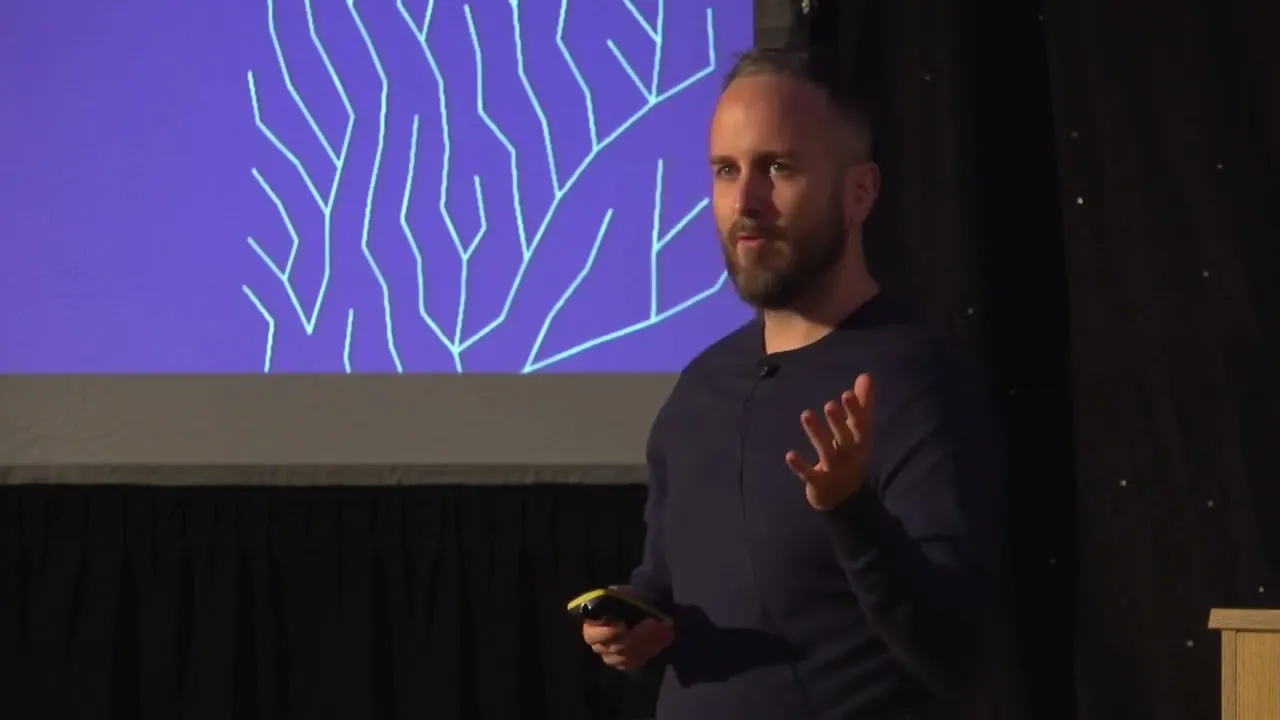
Selected talks
Breakthrough Initiatives, Oxford · April 2025
Life and its relatives
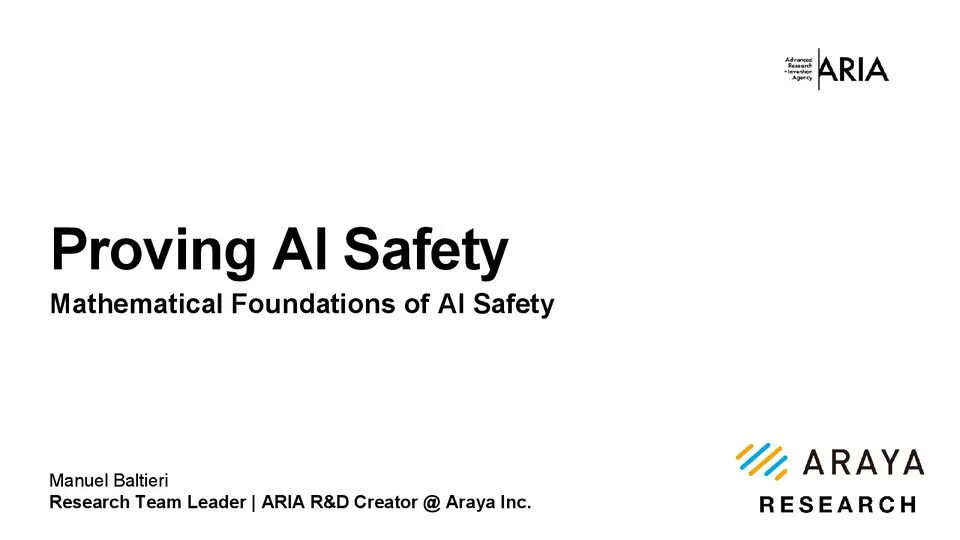
AIRJ Symposium 2025, Embassy of Italy, Tokyo · November 2025
Proving AI safety: Mathematical foundations of AI safety
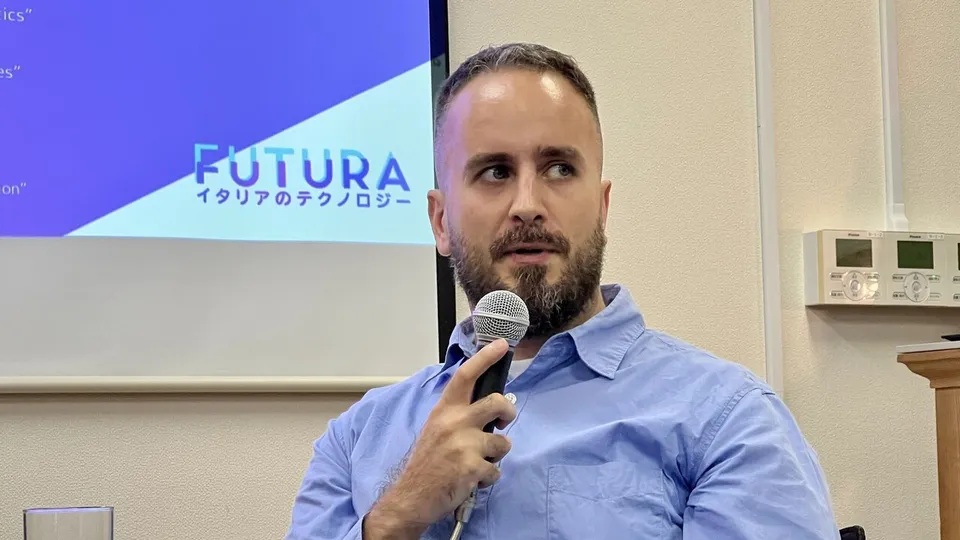
FUTURA, Italian Chamber of Commerce in Japan, Tokyo · October 2024
Foundations of AI: building reliable, trustworthy and agentic systems
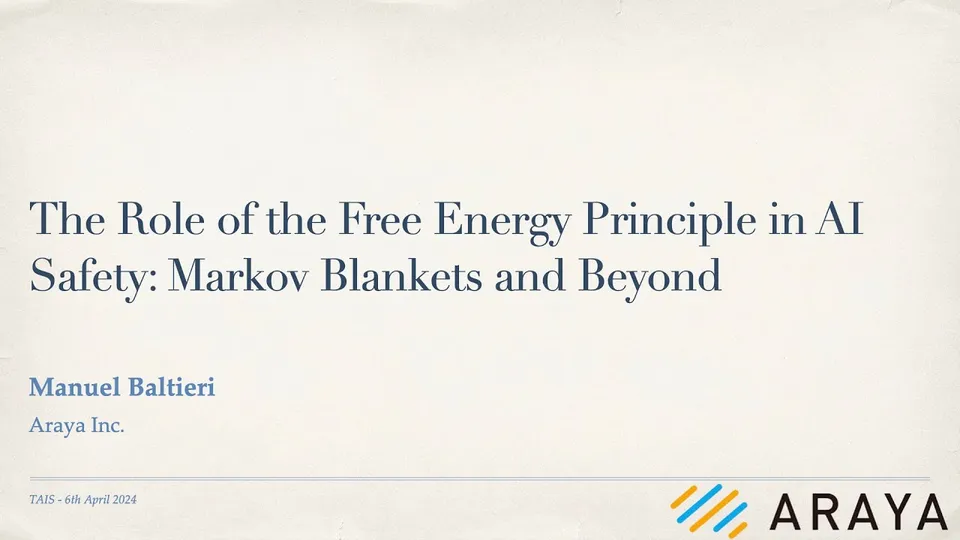
Technical AI Safety Conference, Tokyo · April 2024
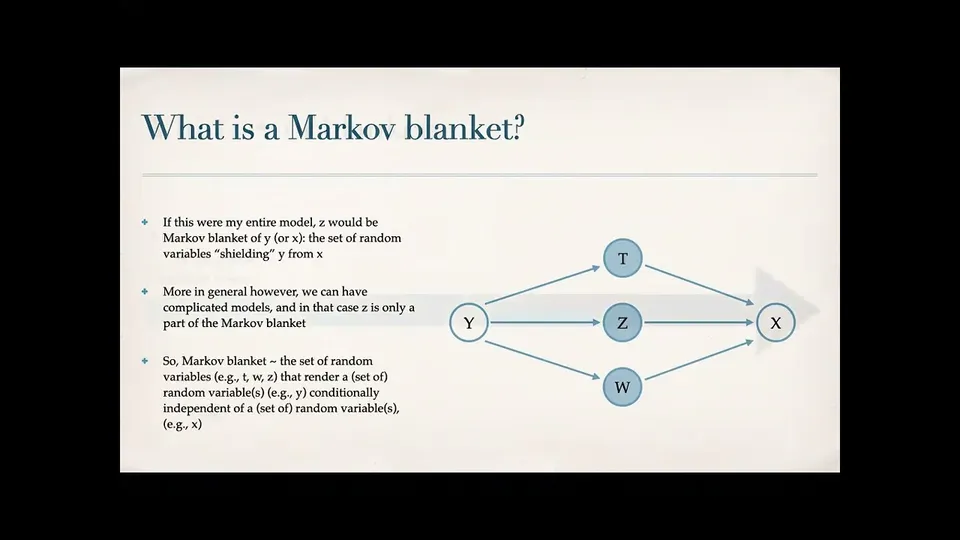
The Role of the Free Energy Principle in AI Safety: Markov Blankets and Beyond
CHAIN Academic Seminars, Hokkaido University, Sapporo · February 2023
Inference with and within a model
Selected work
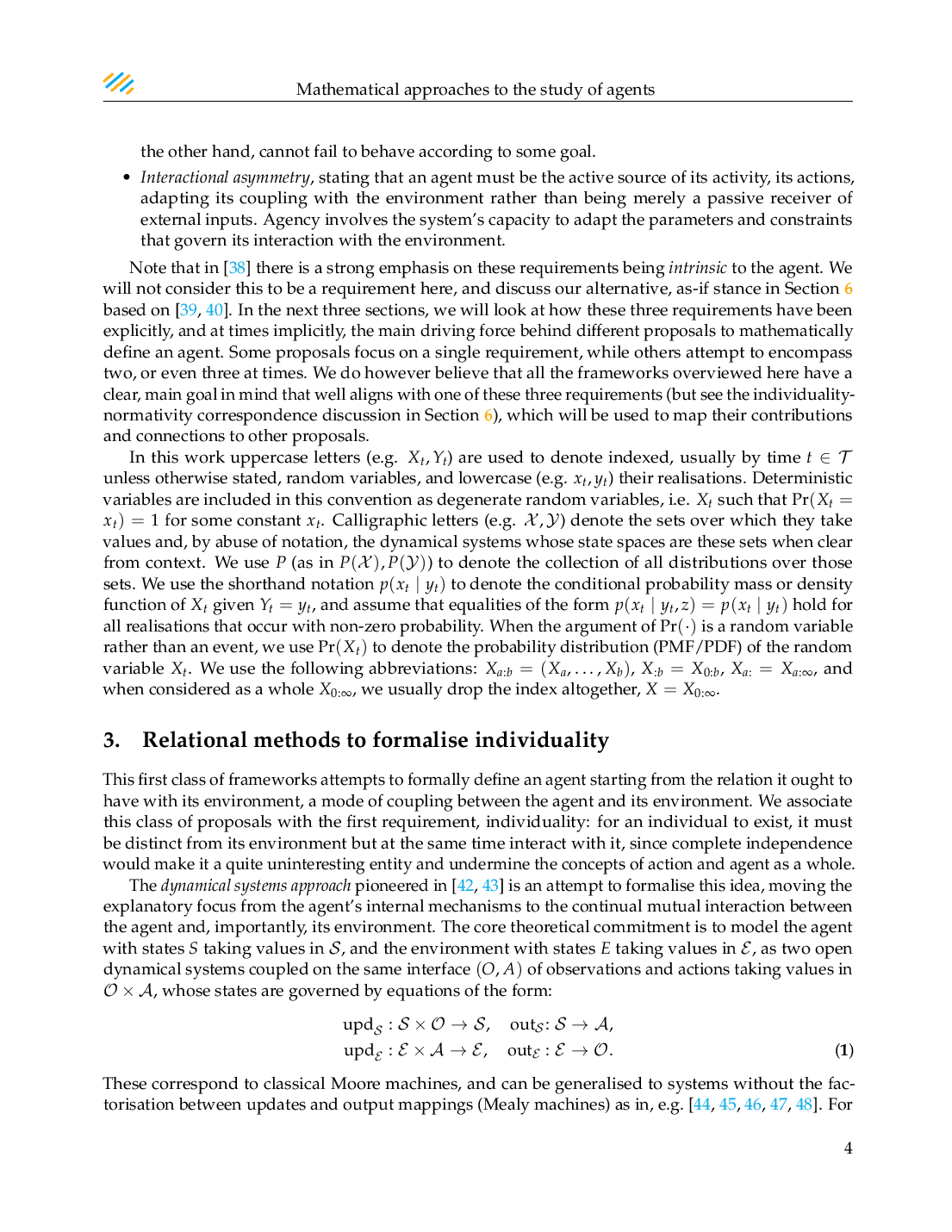
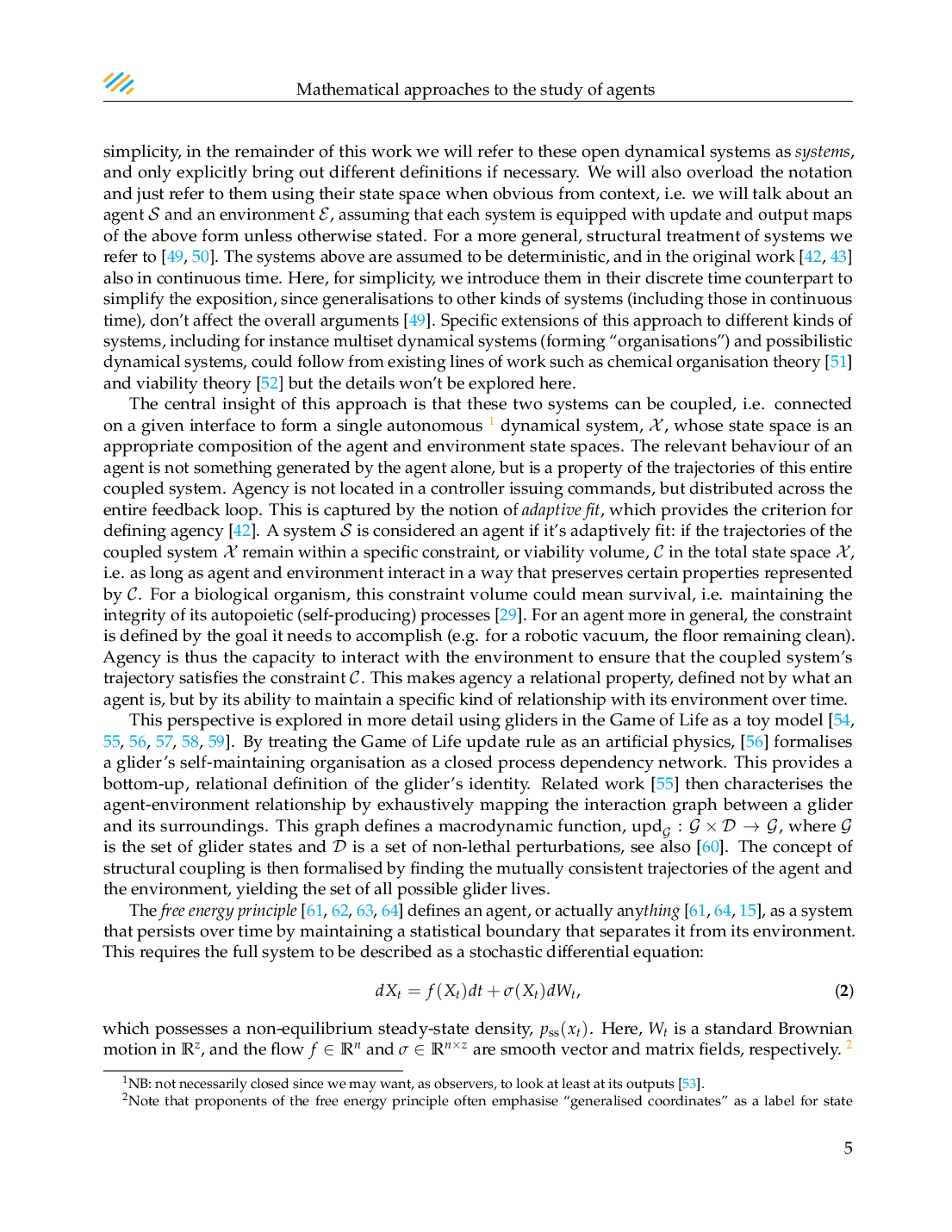
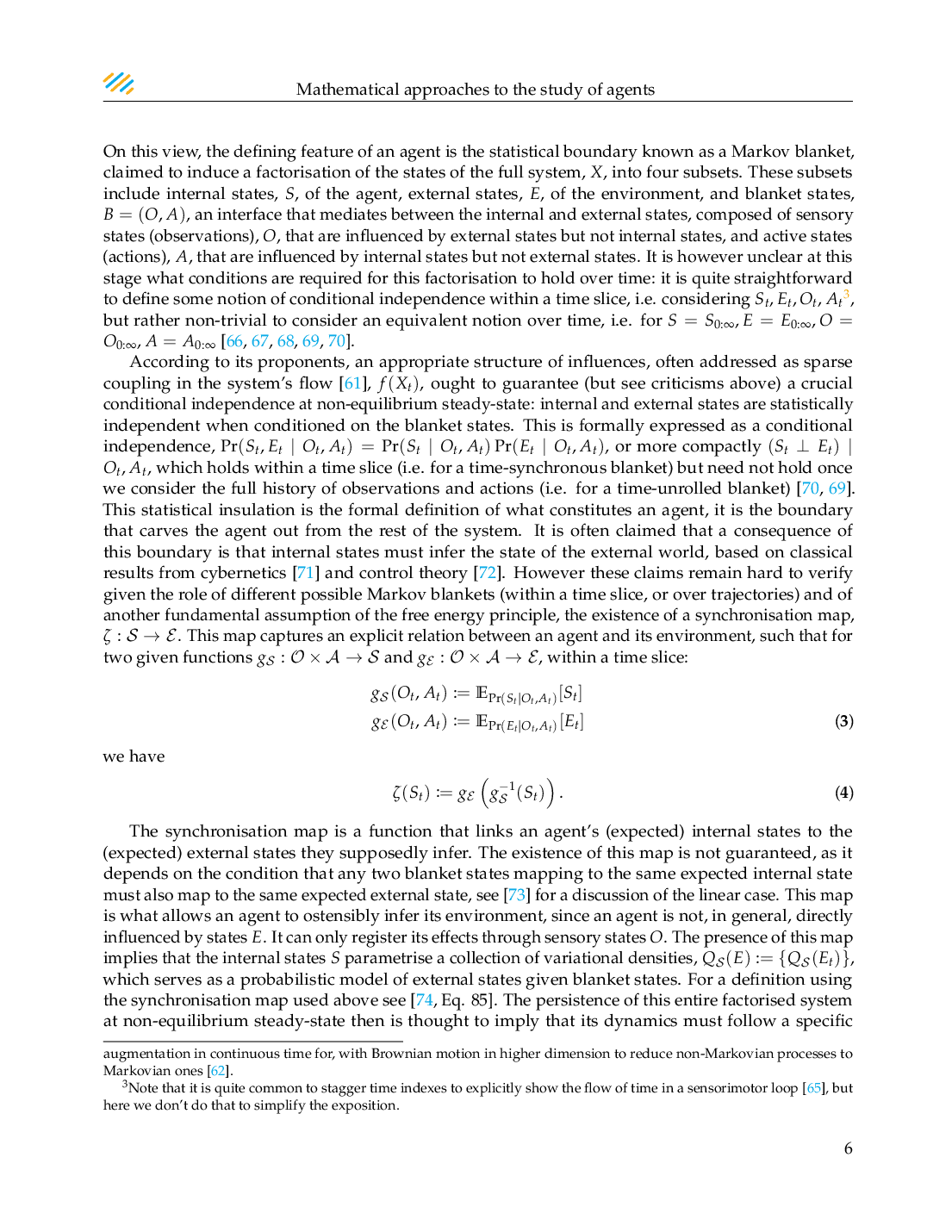
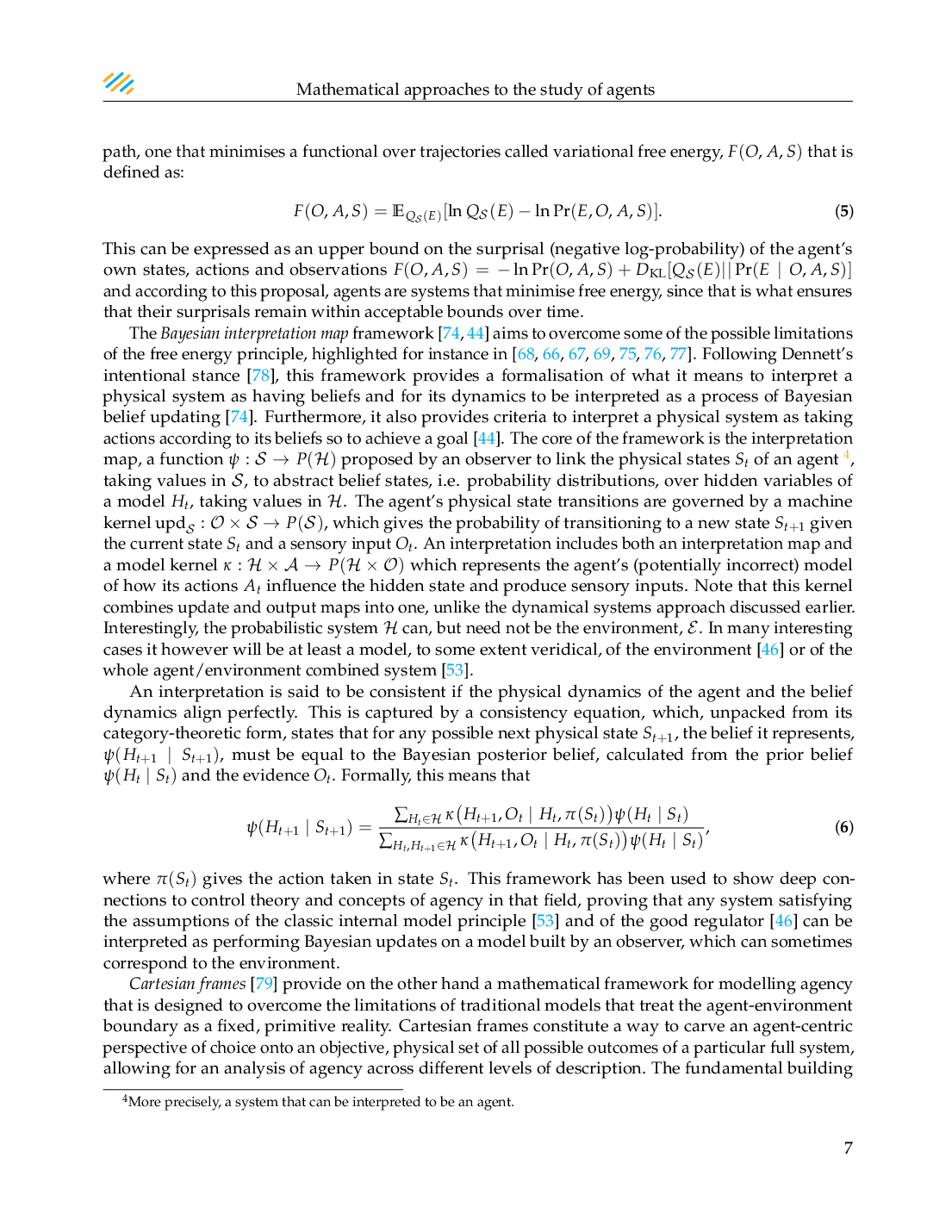
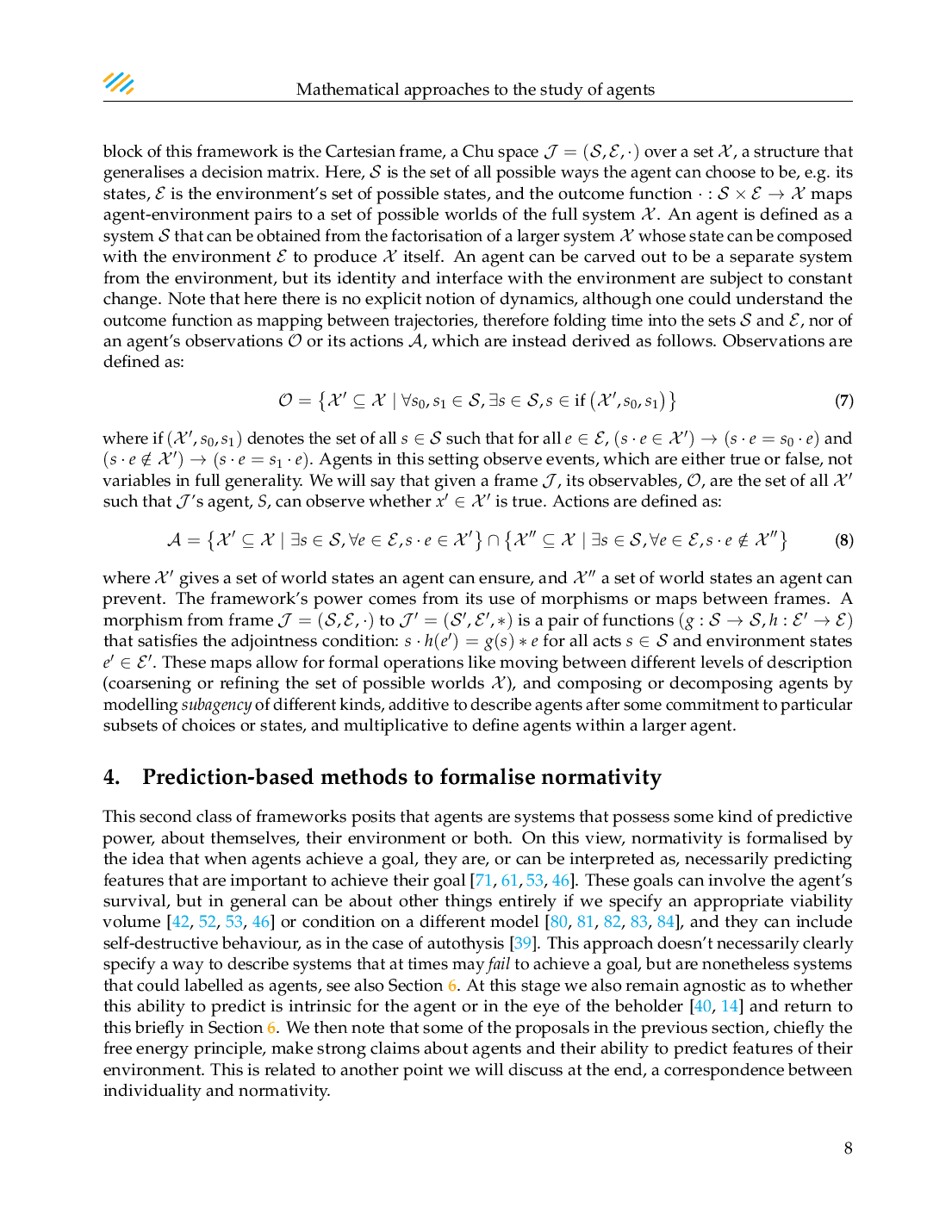
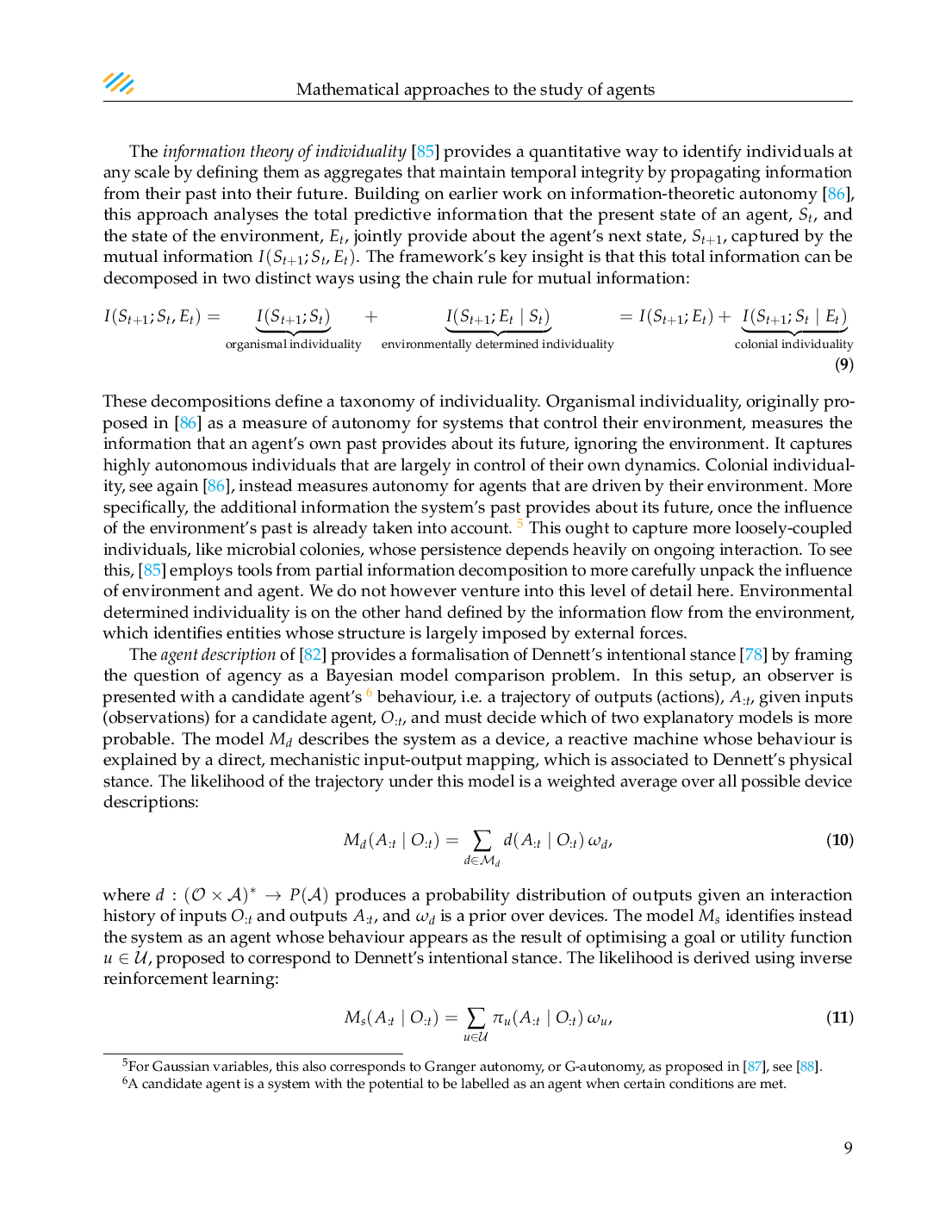
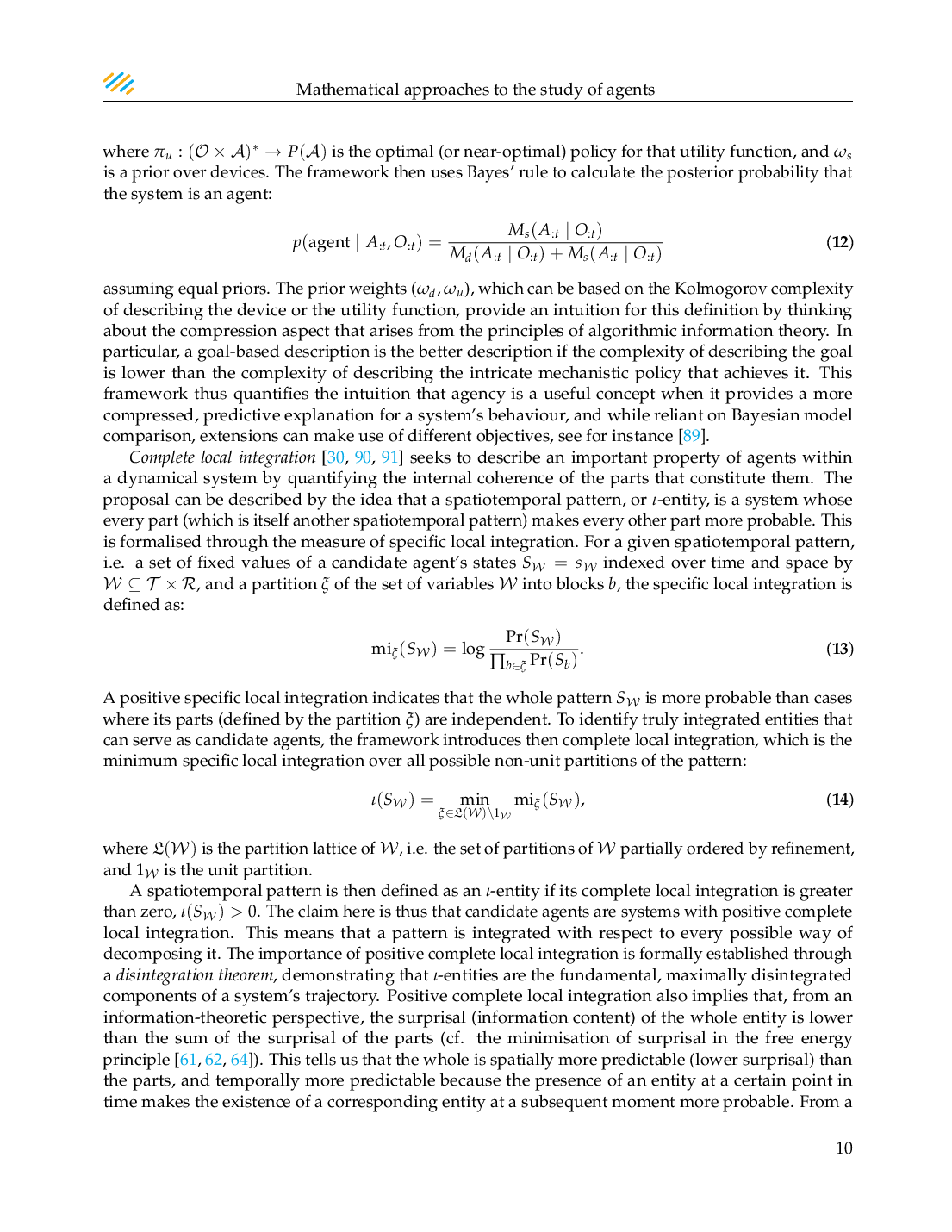
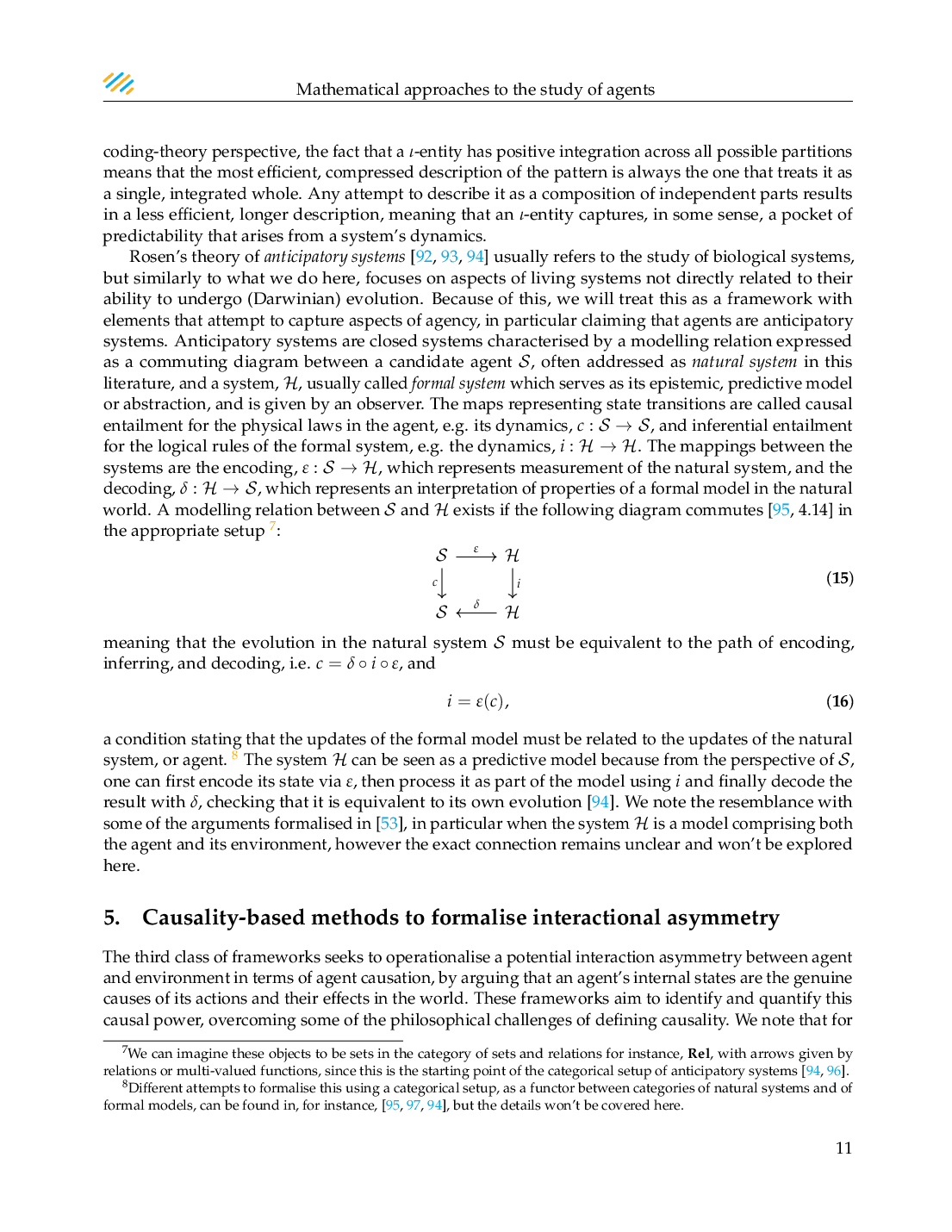
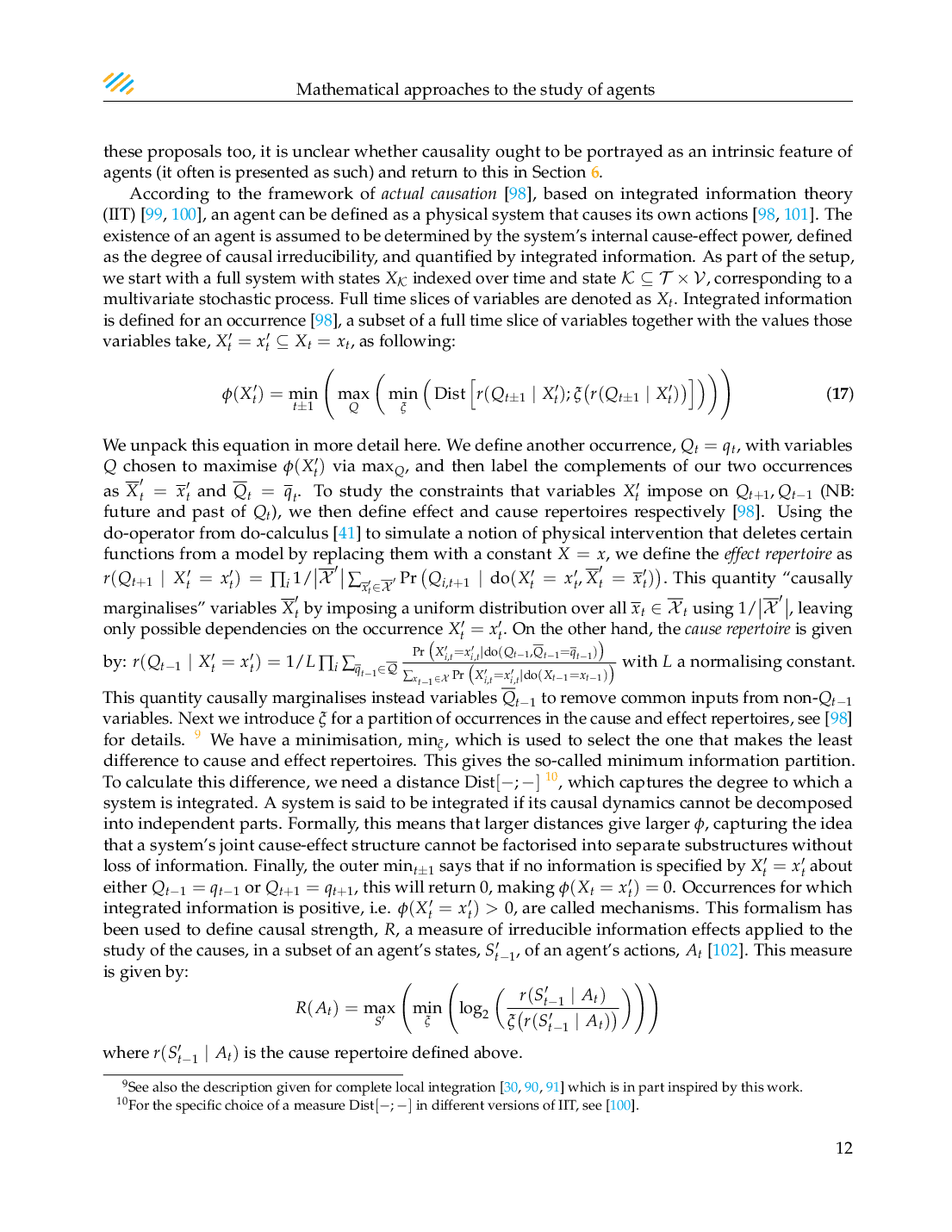
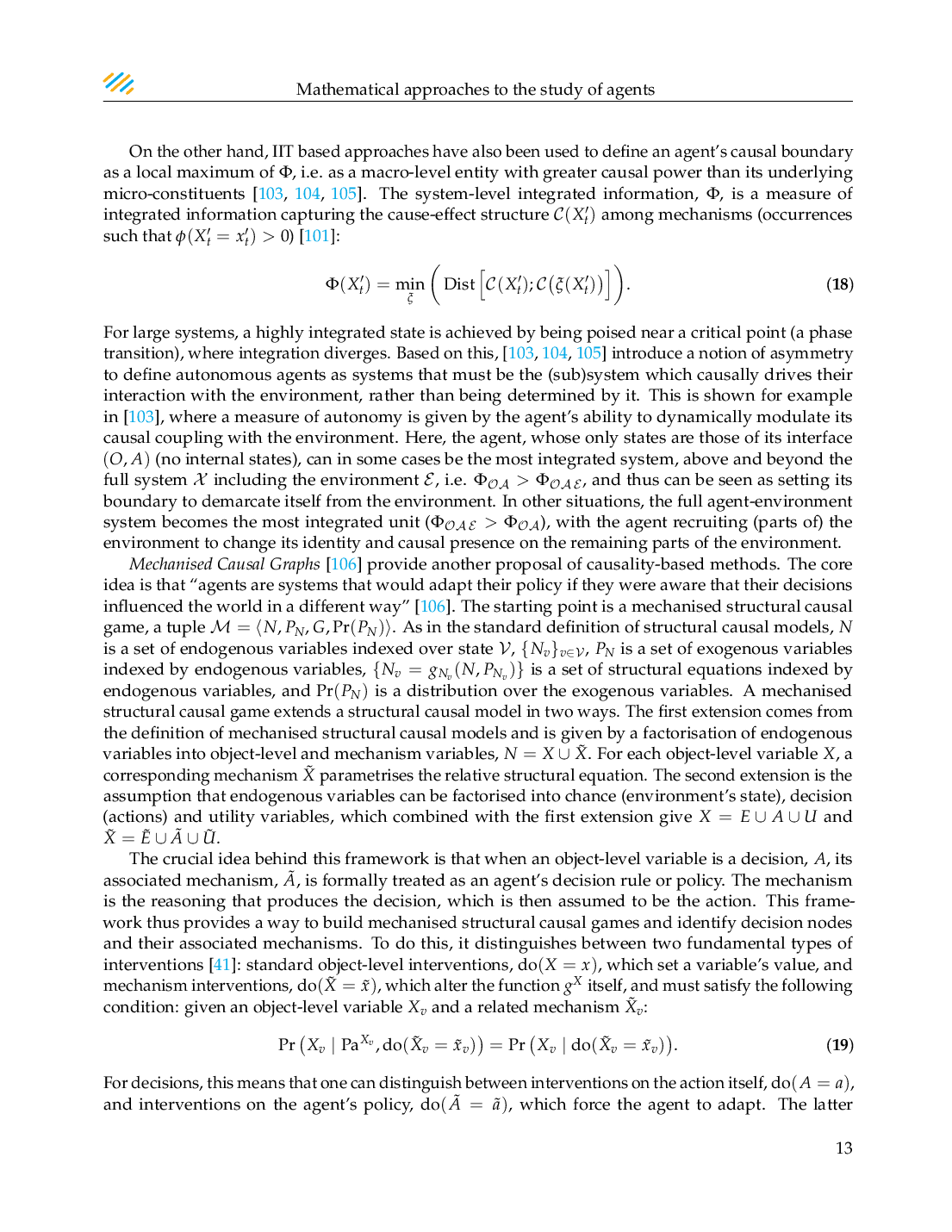
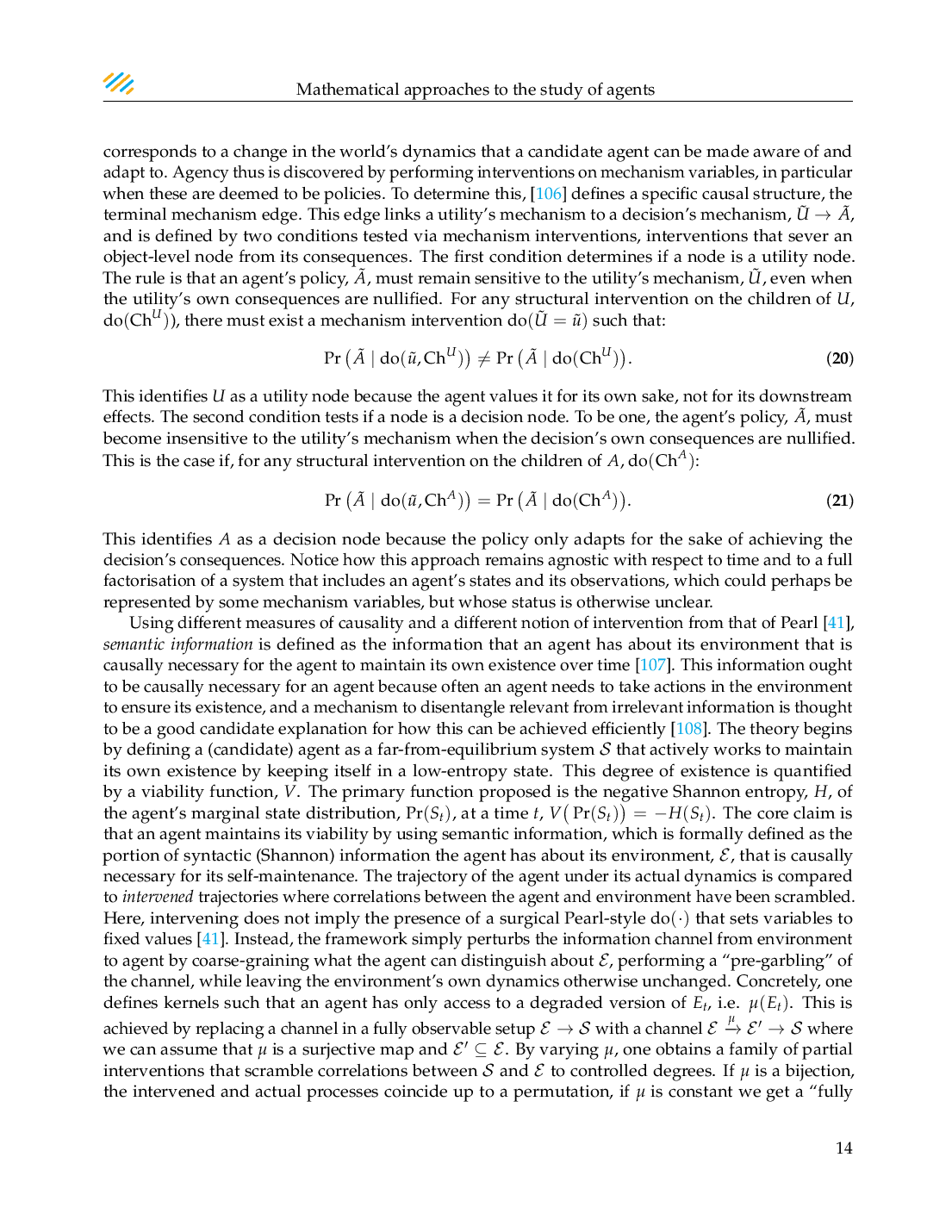
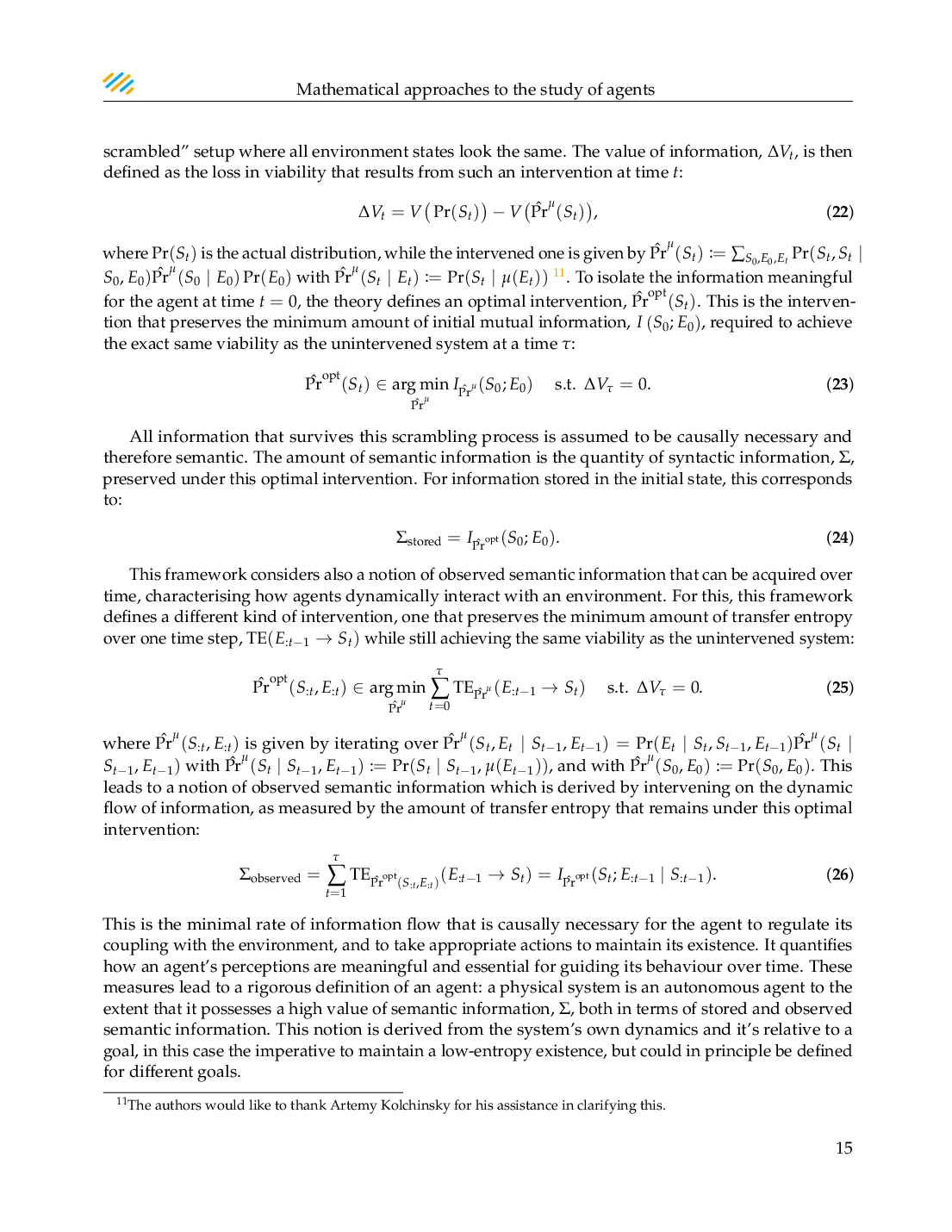
Philosophical Transactions of the Royal Society B · 2026, to appearRead the preprint
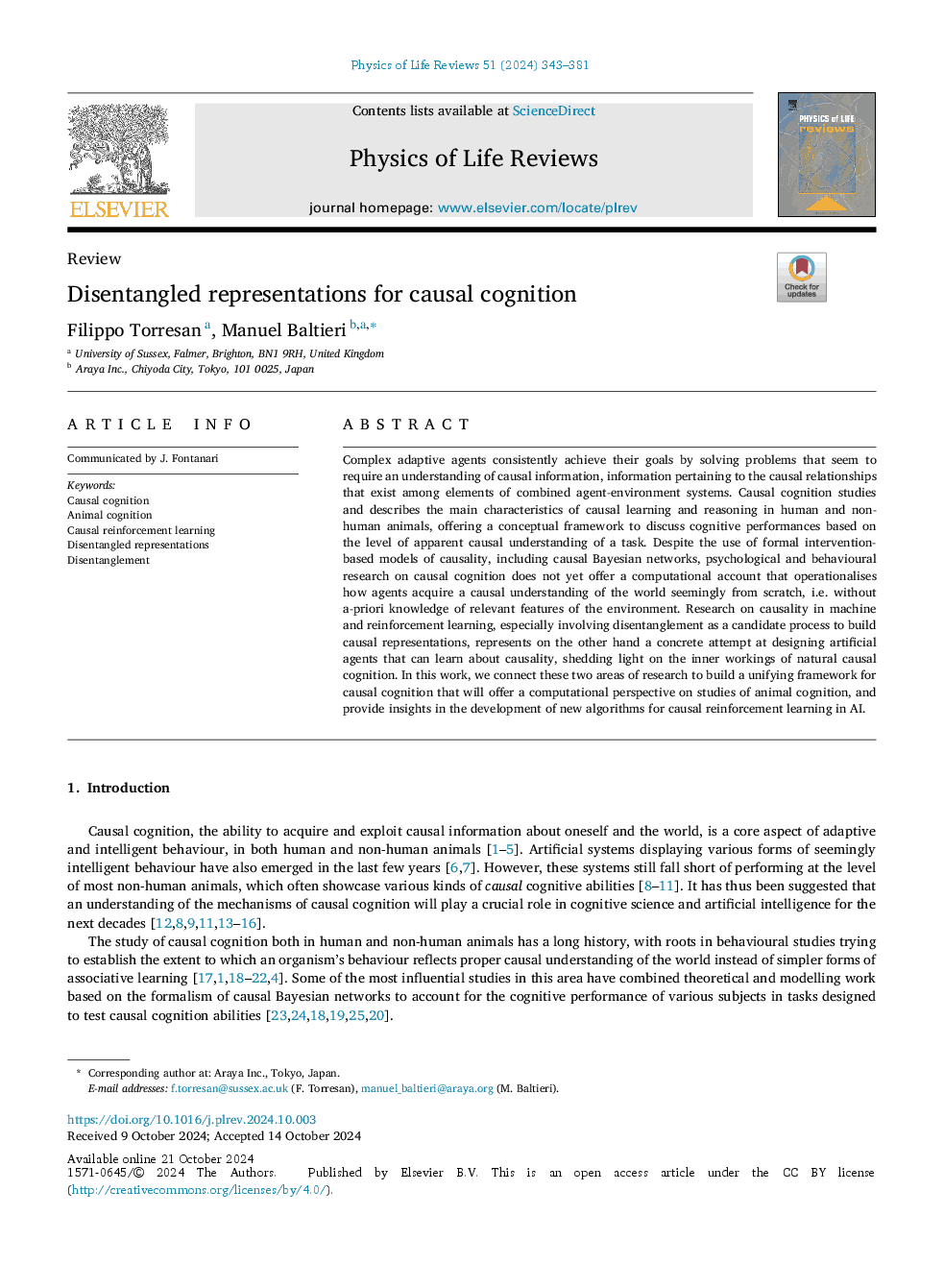
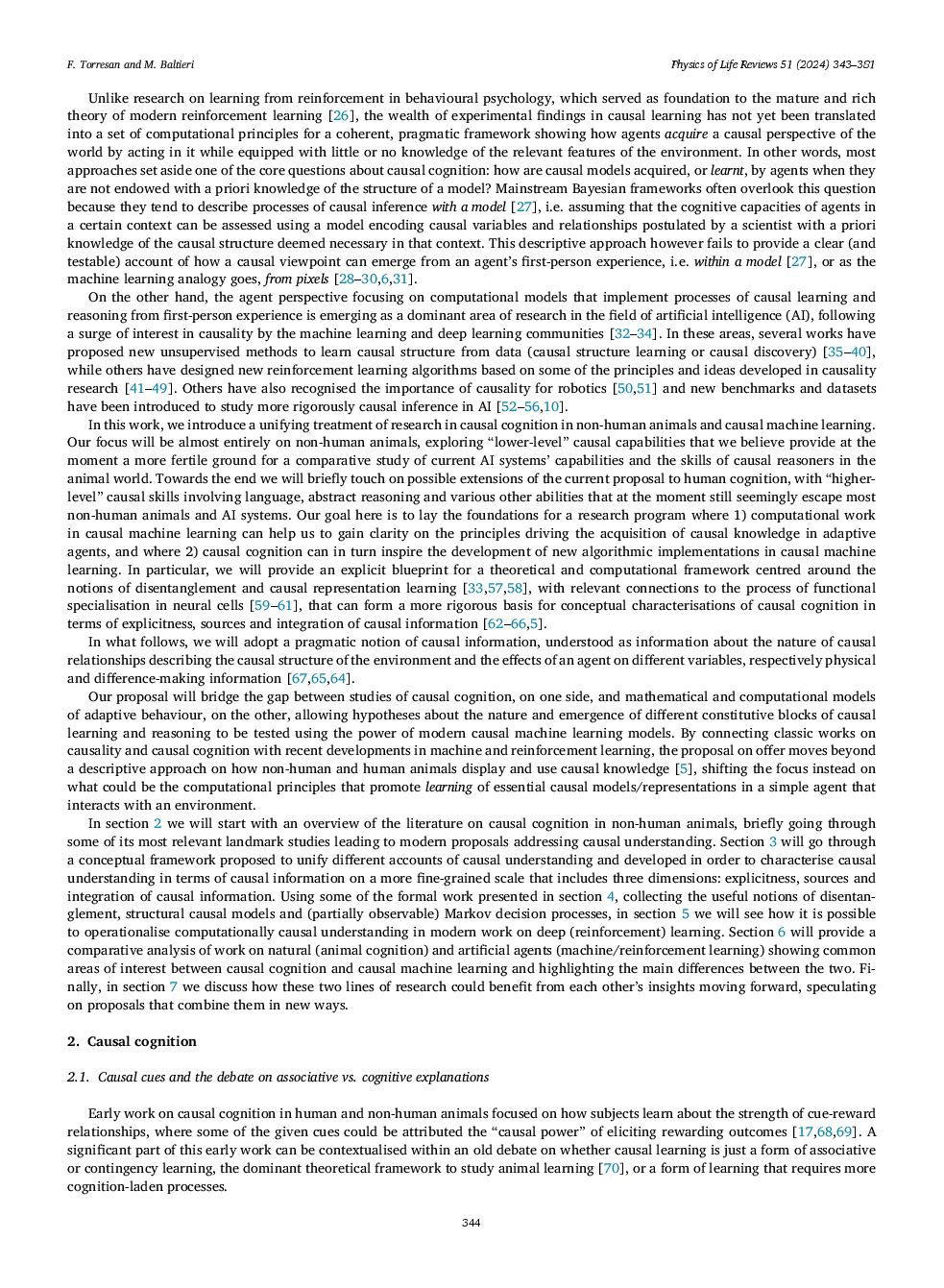
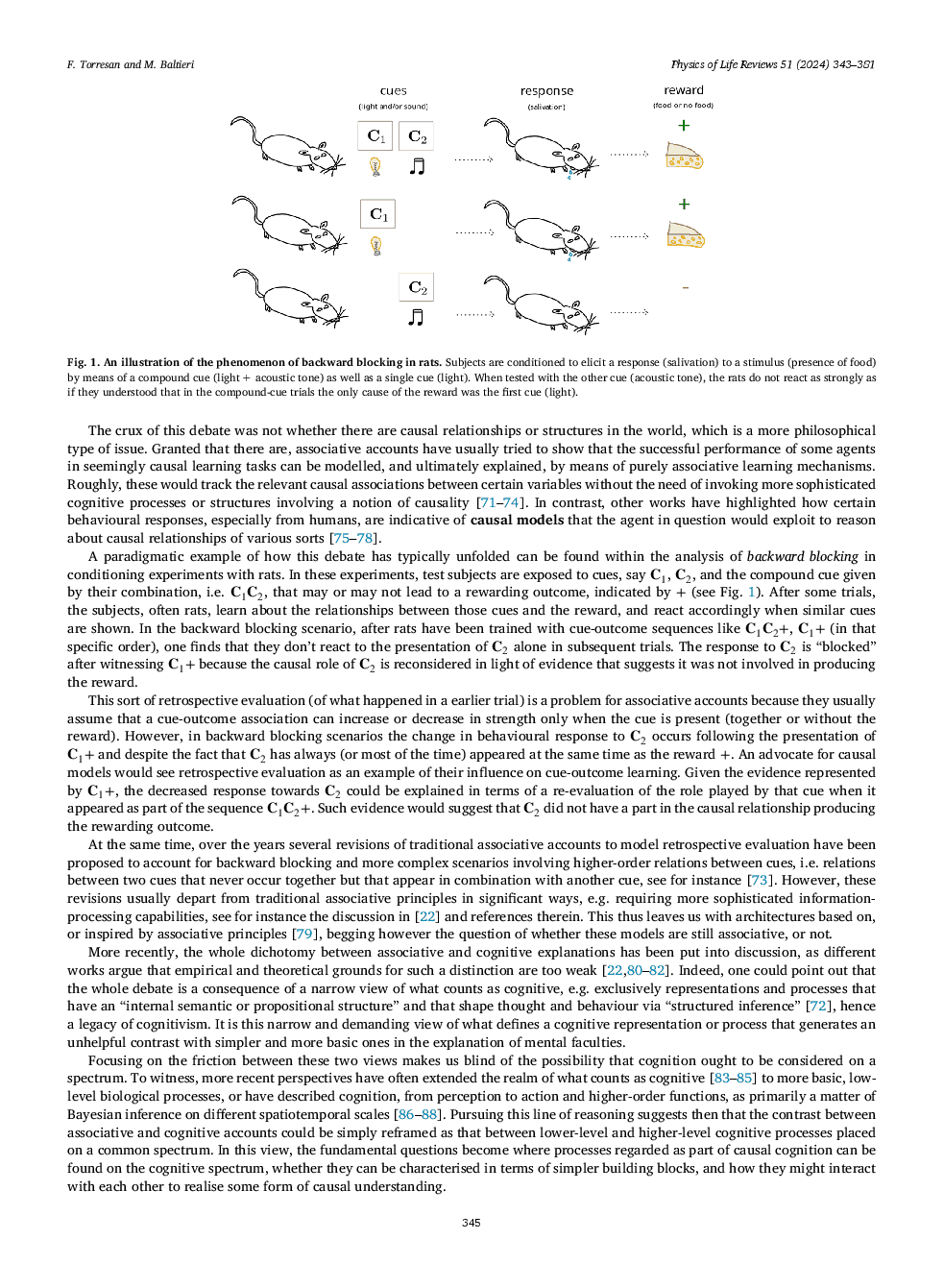
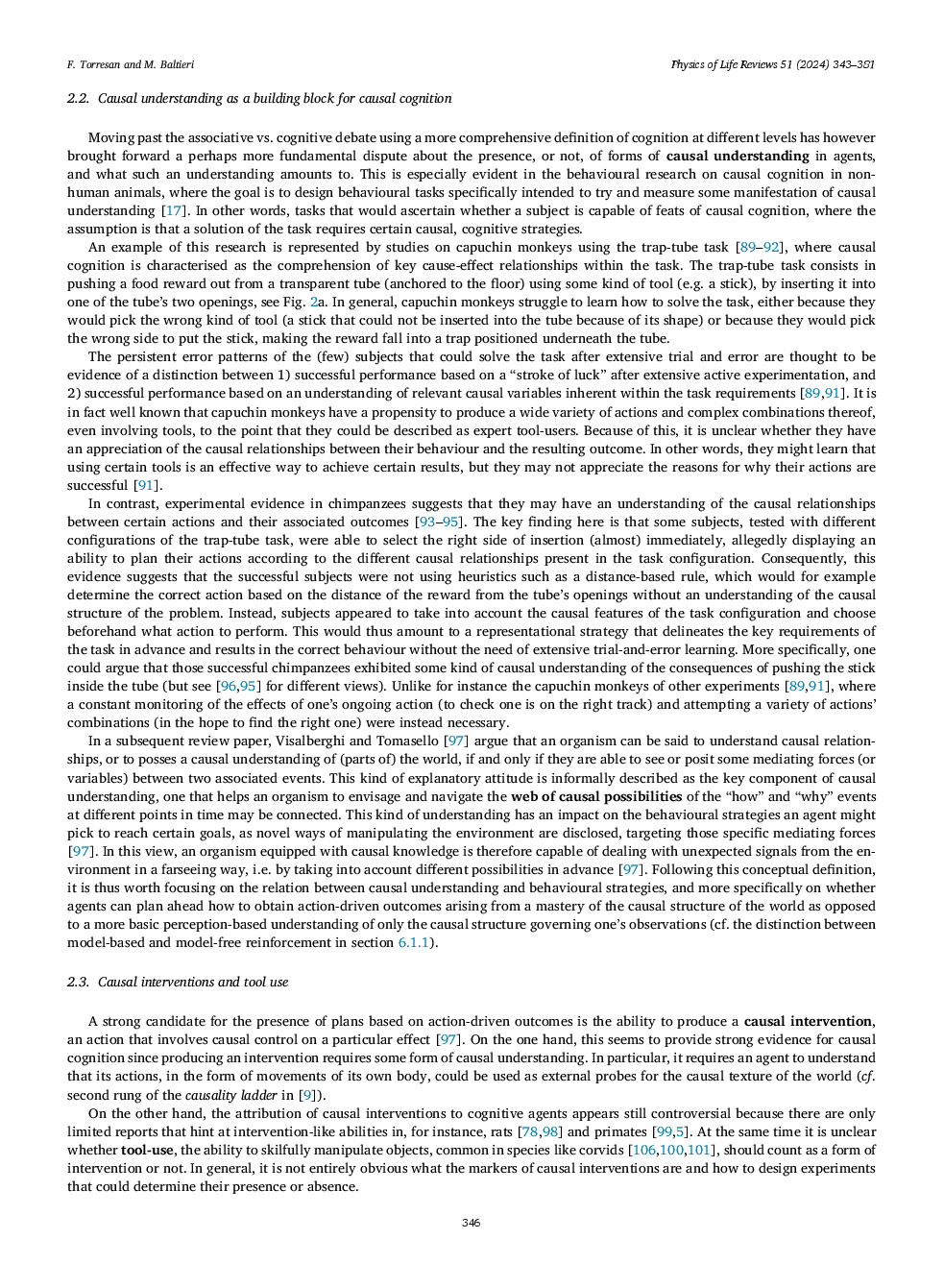
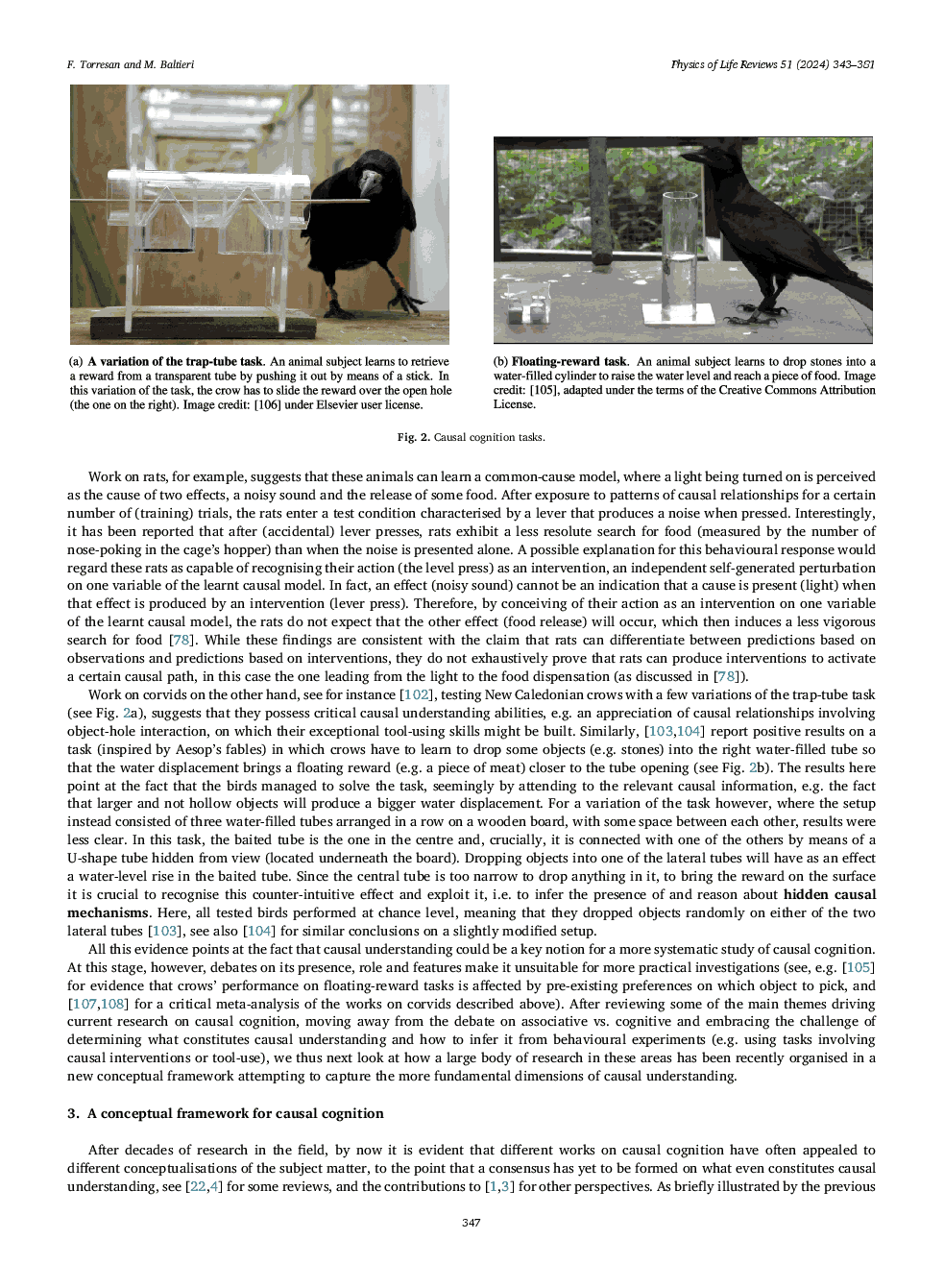
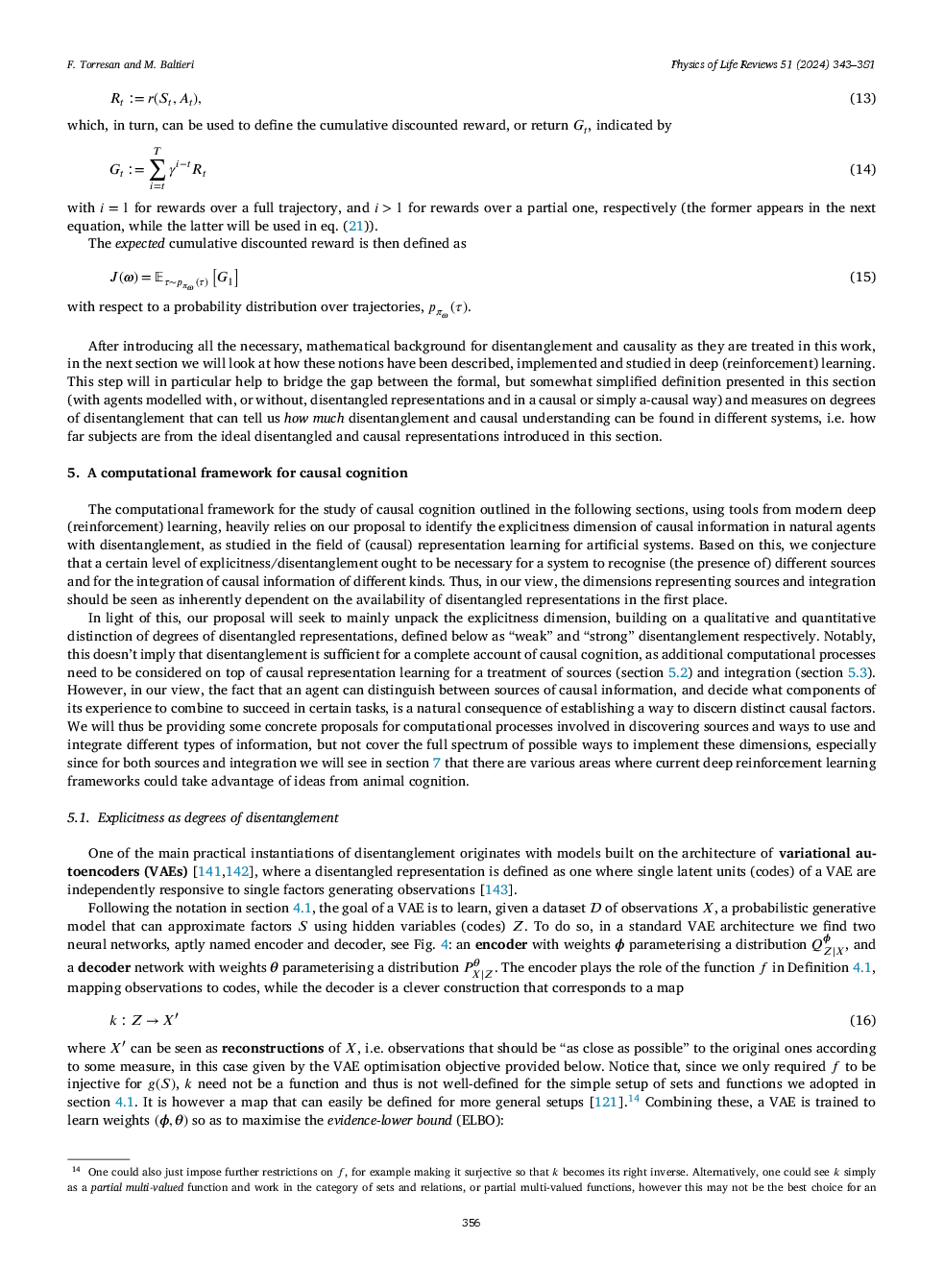
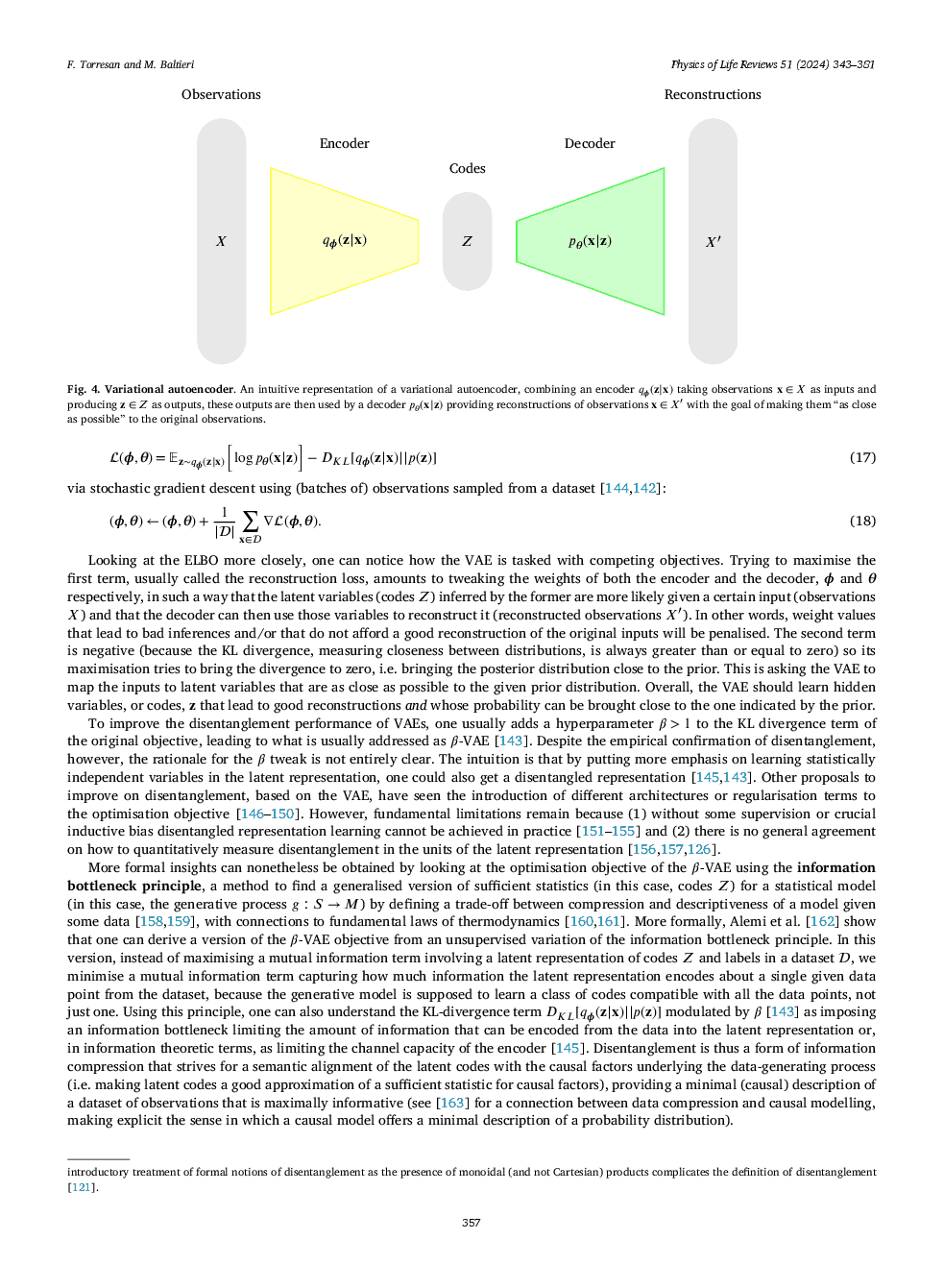
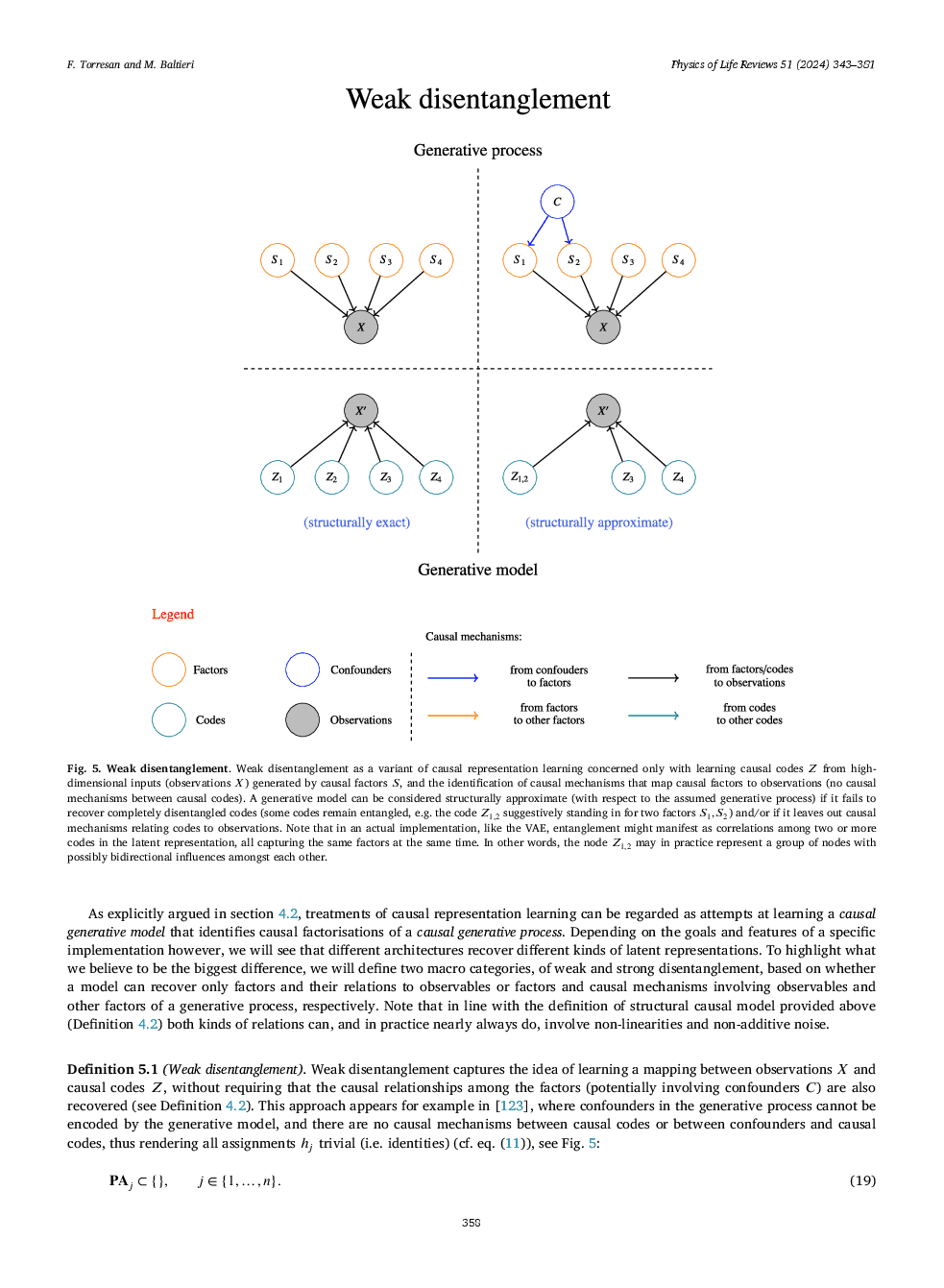
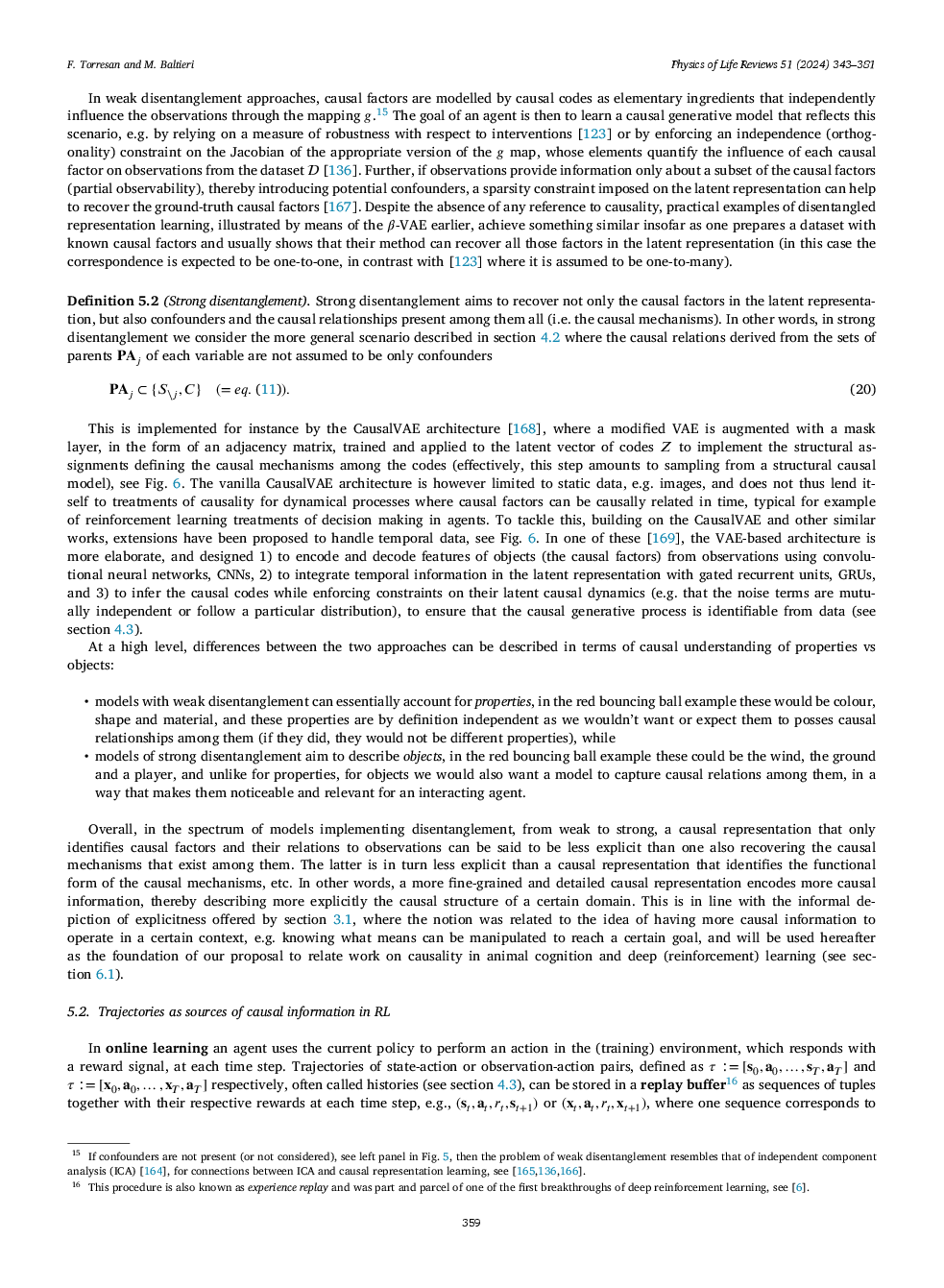
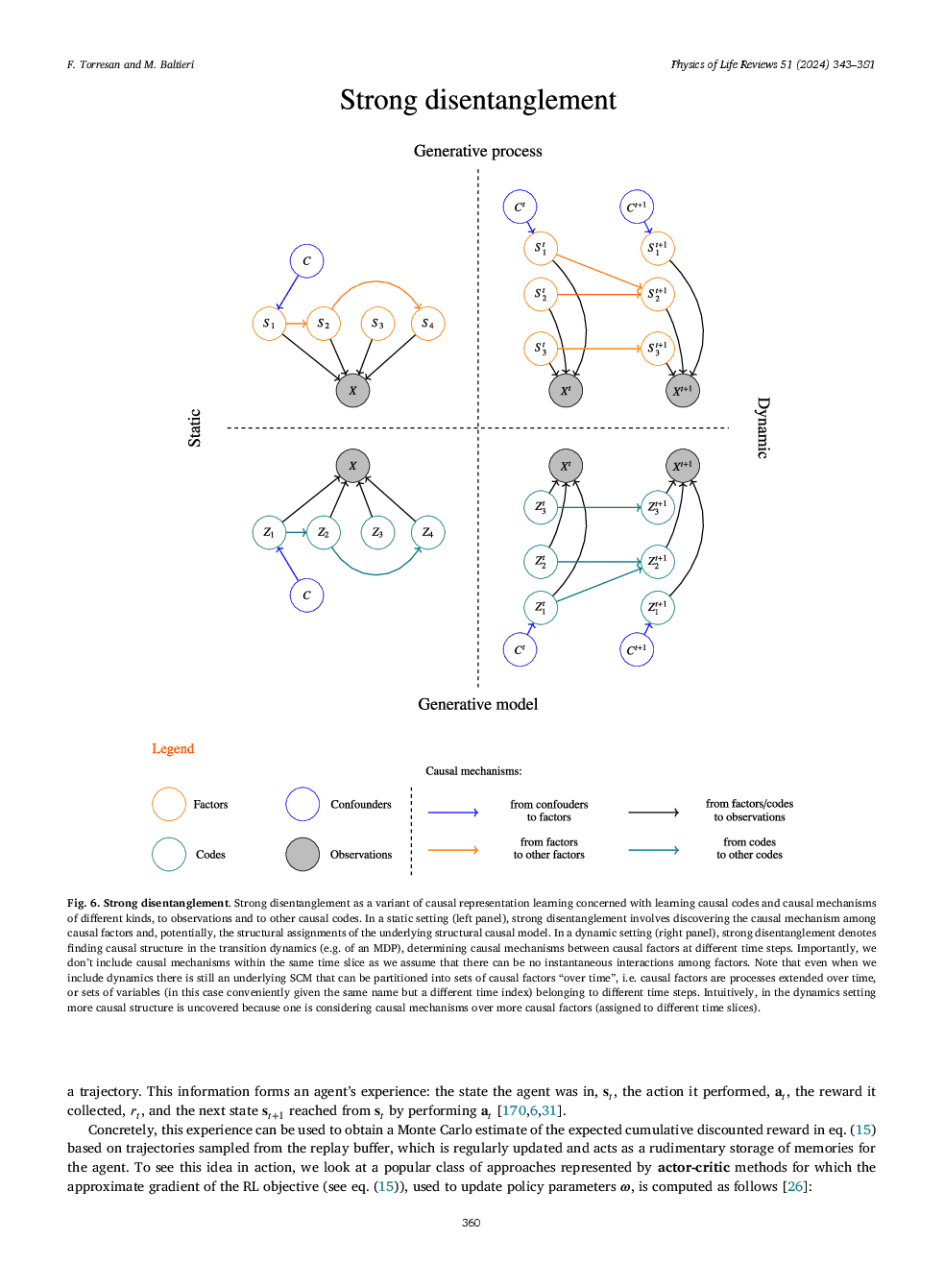
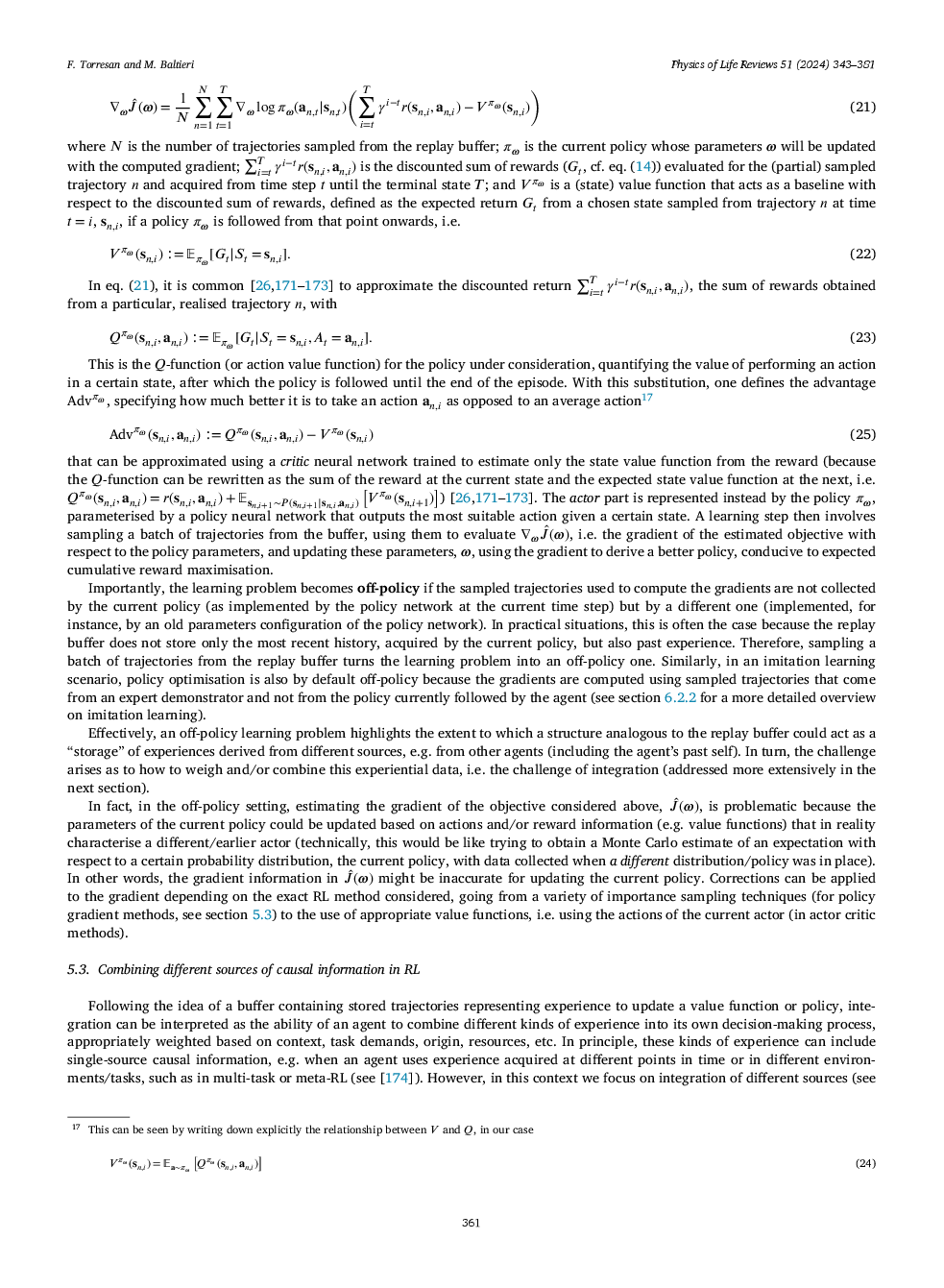
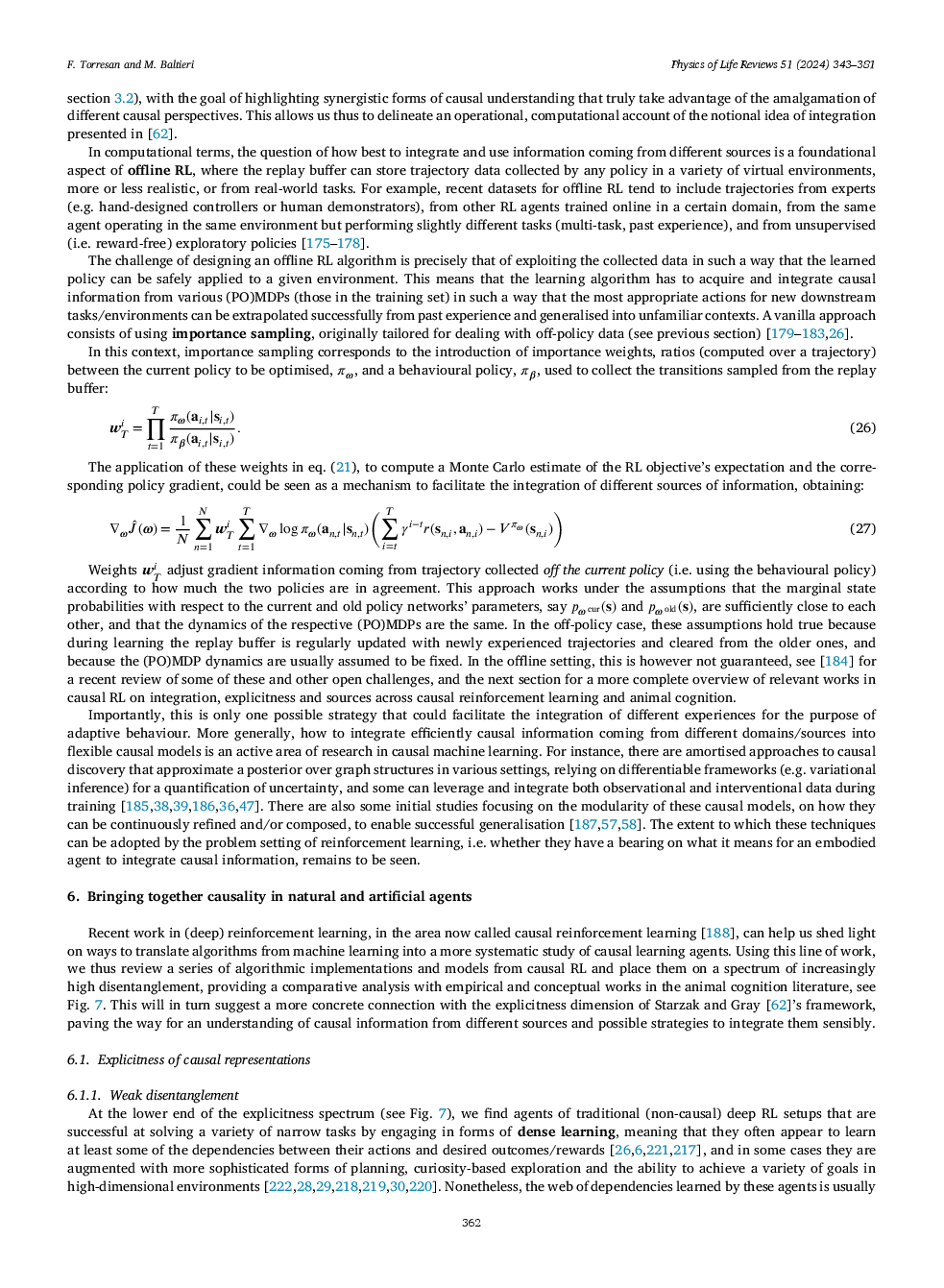
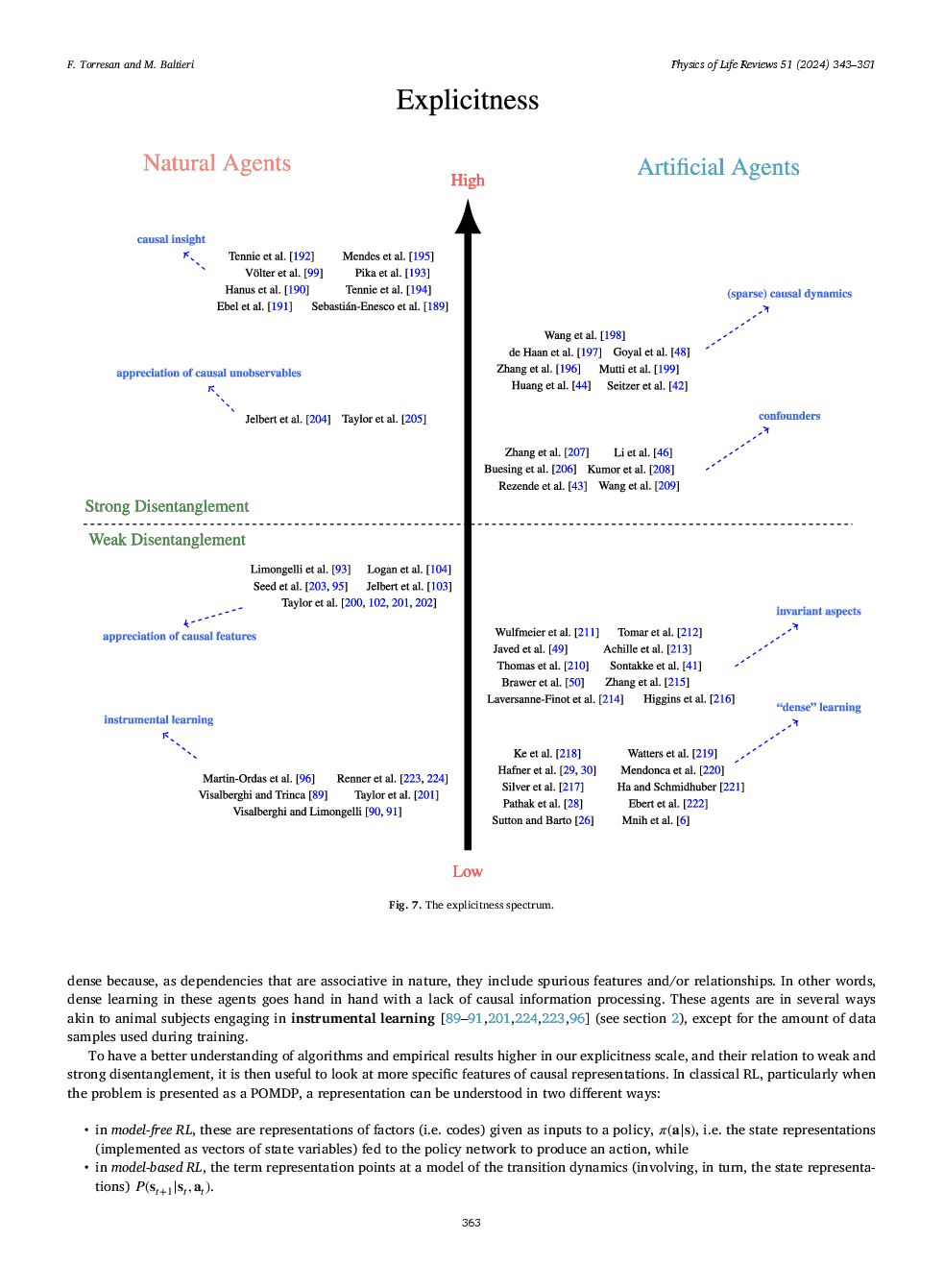
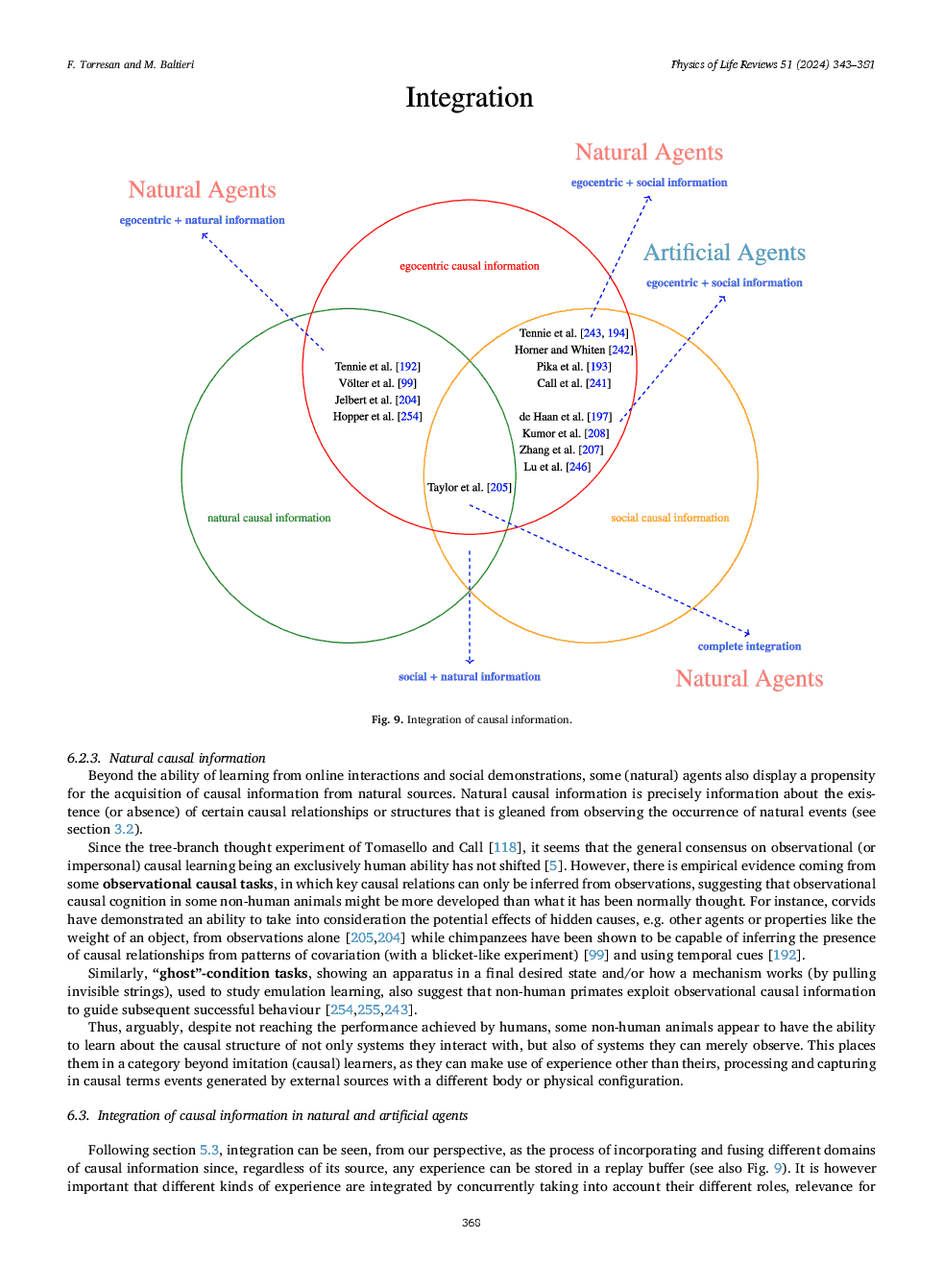
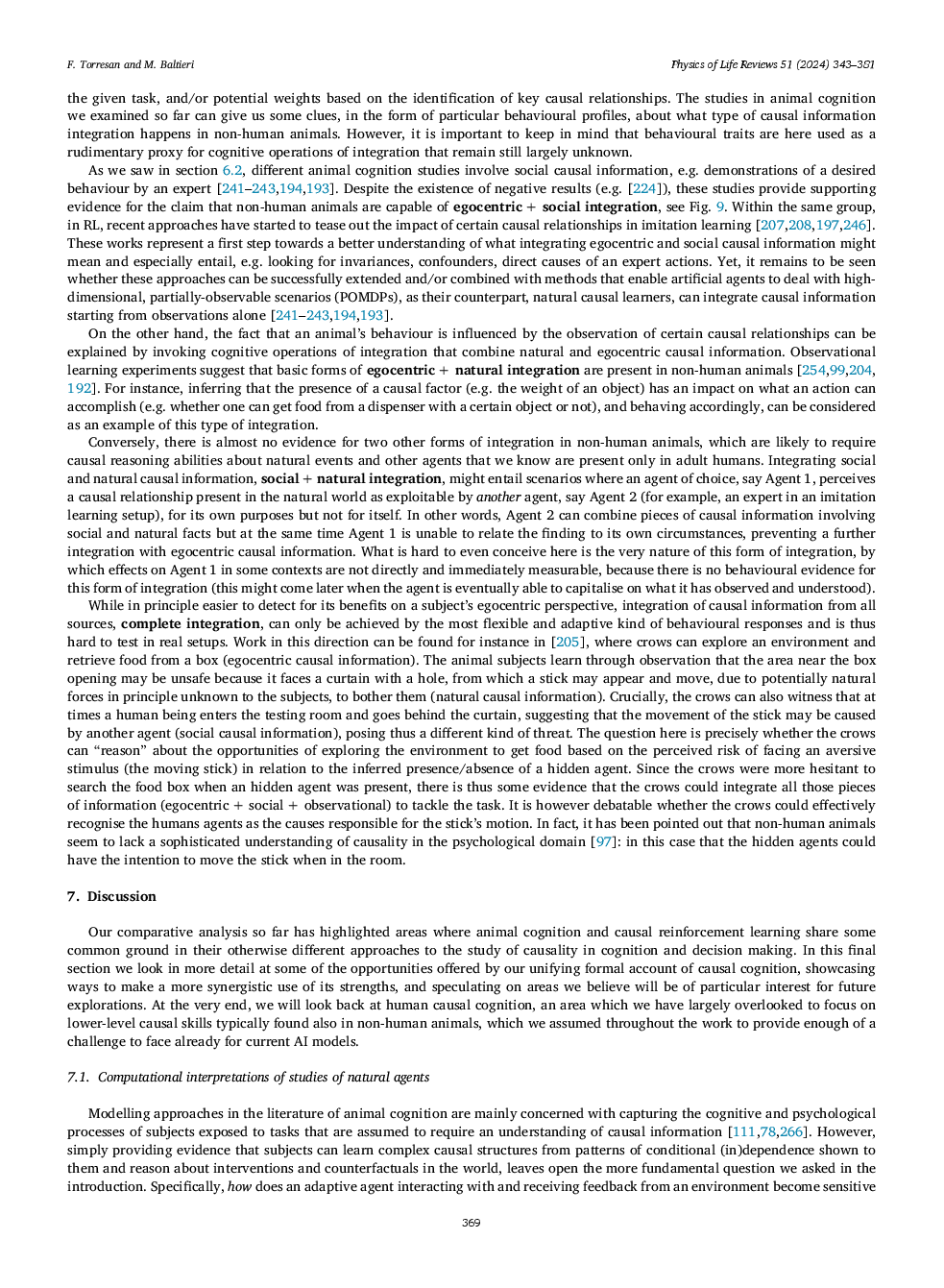
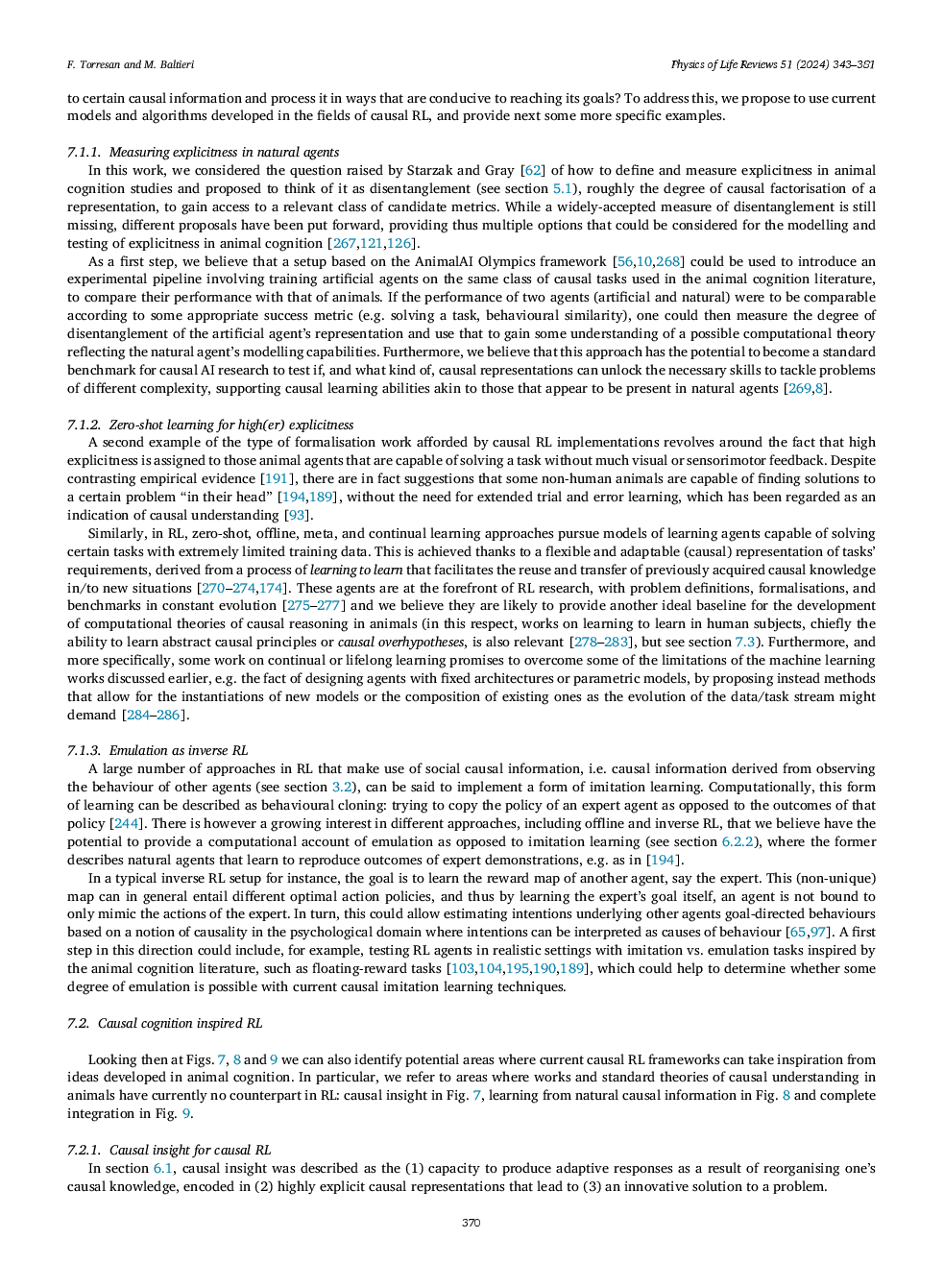
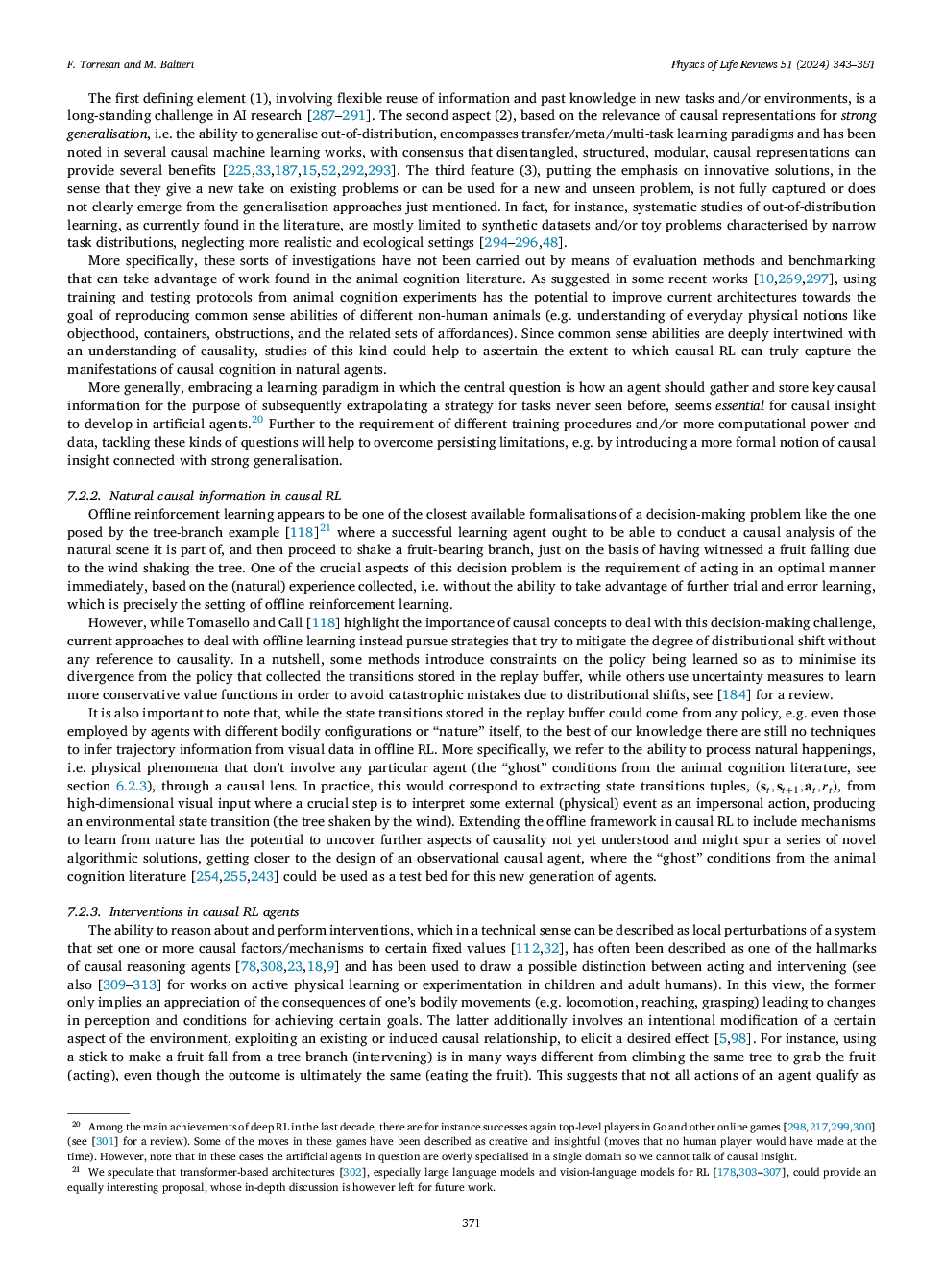
Physics of Life Reviews · 2024Read the paper
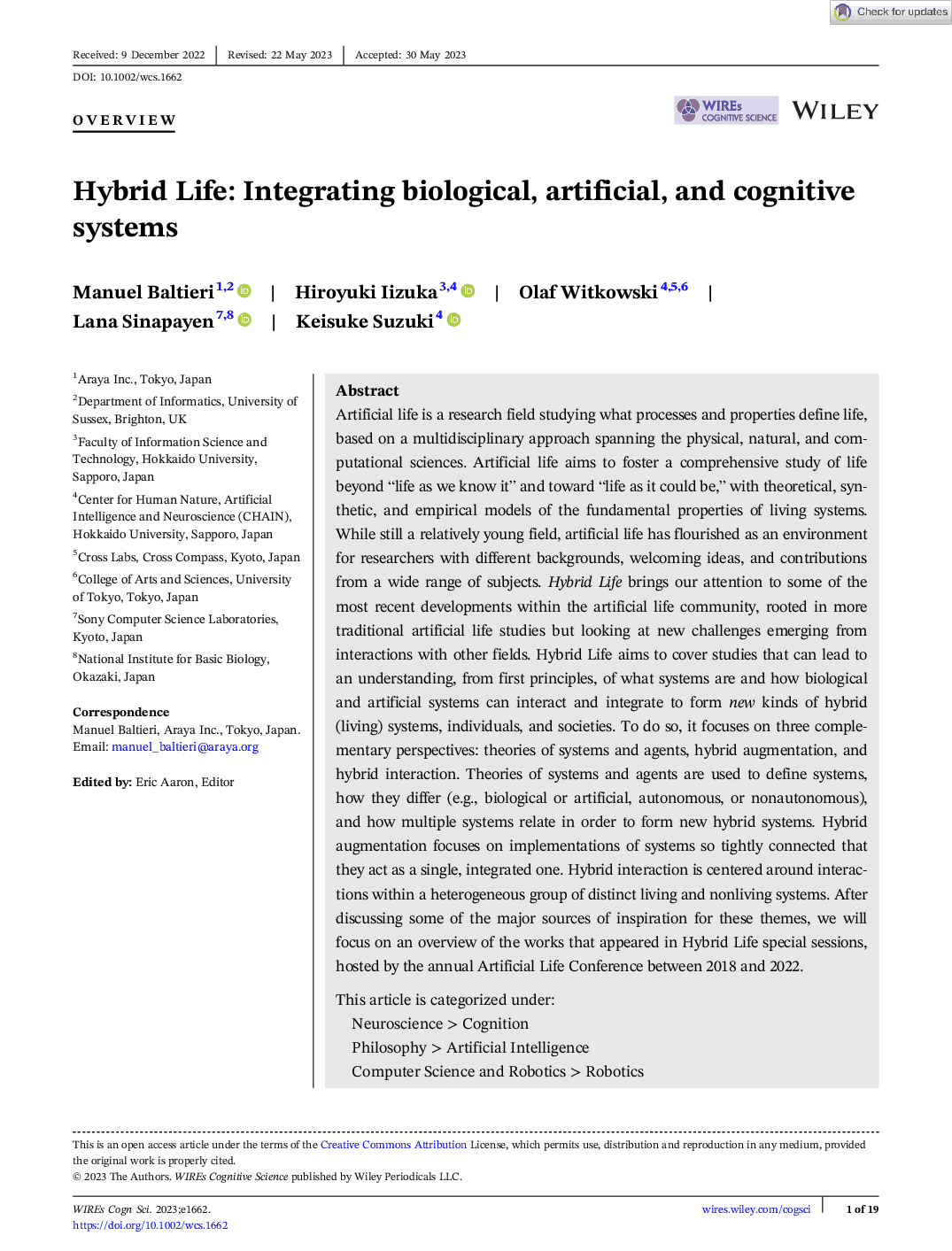
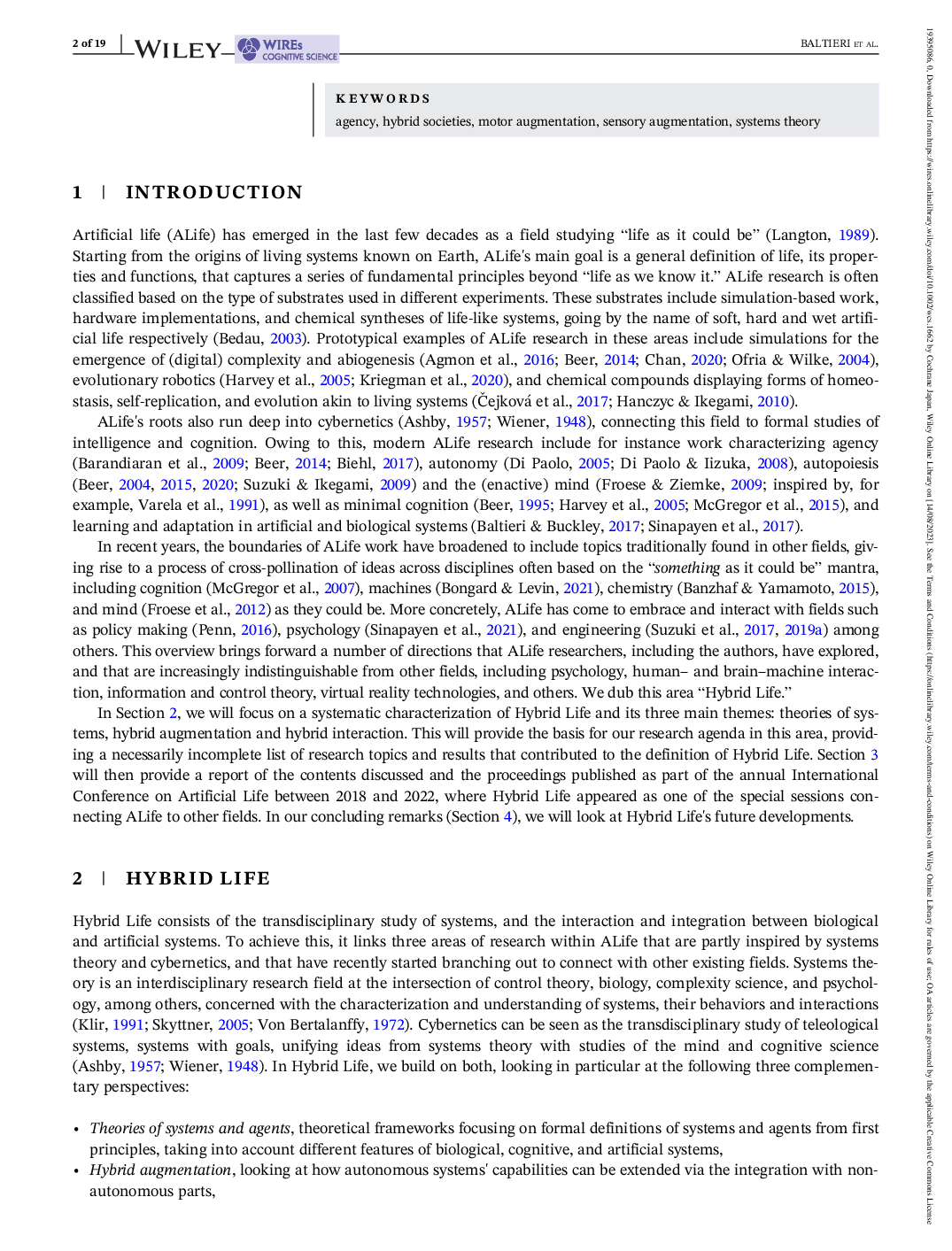
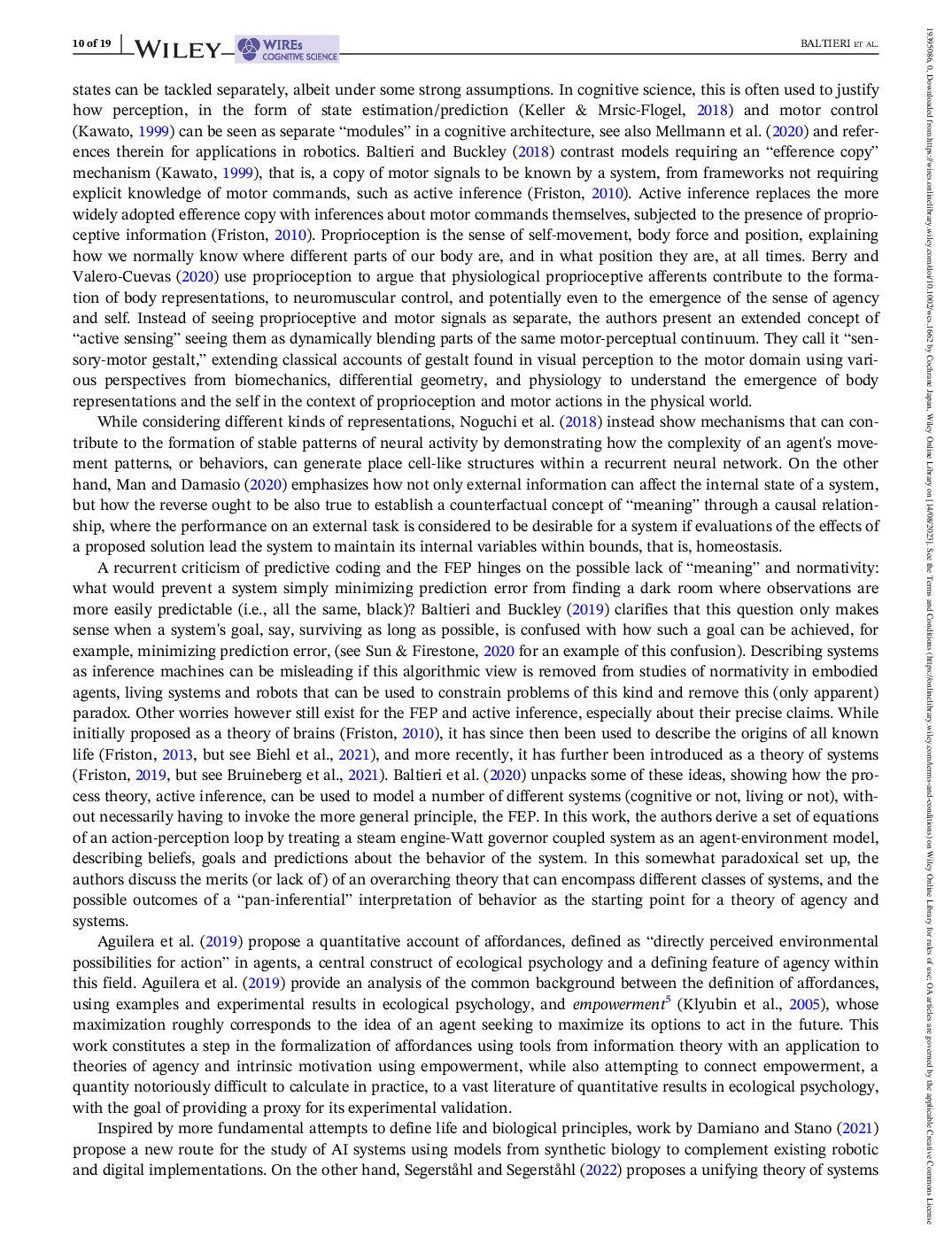
WIREs Cognitive Science · 2023Read the paper
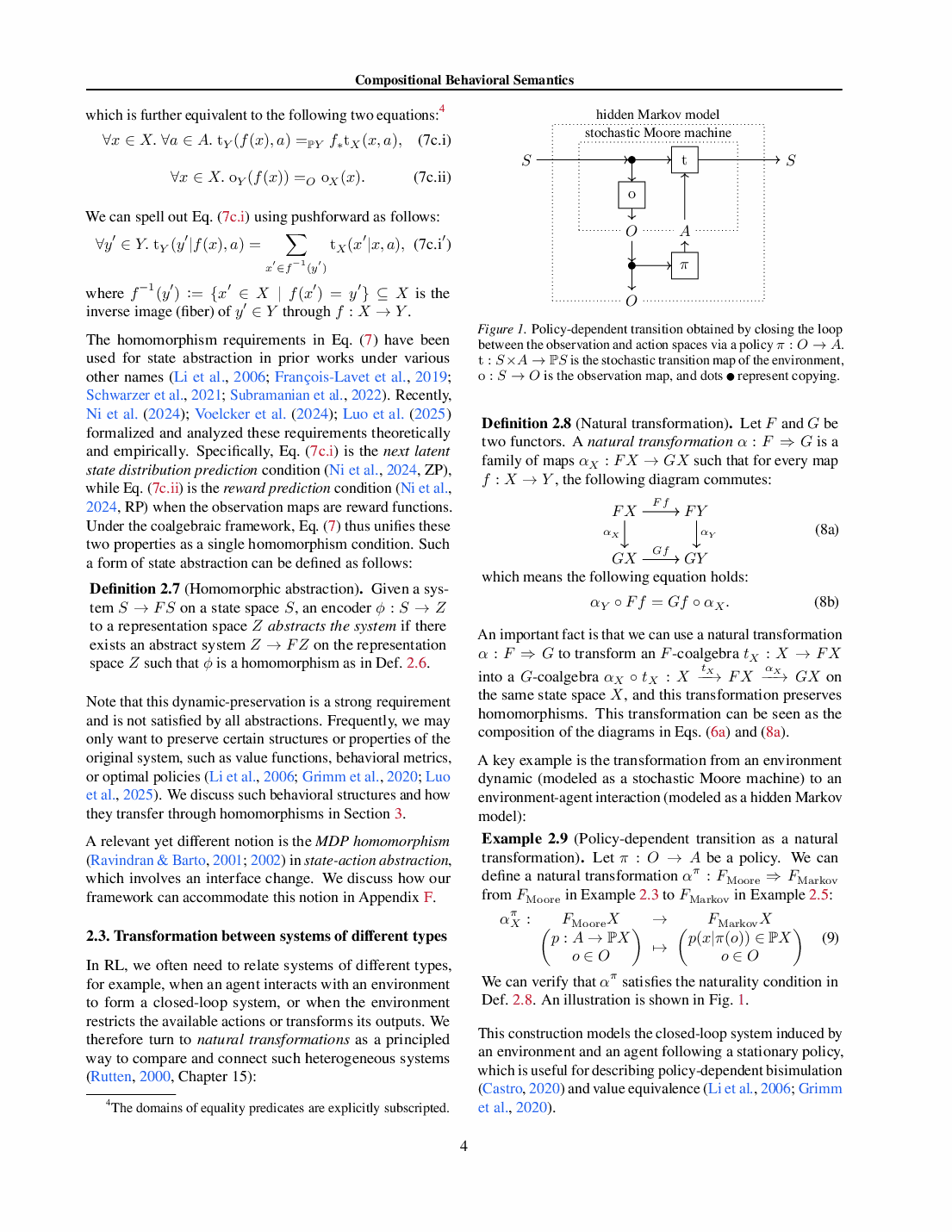
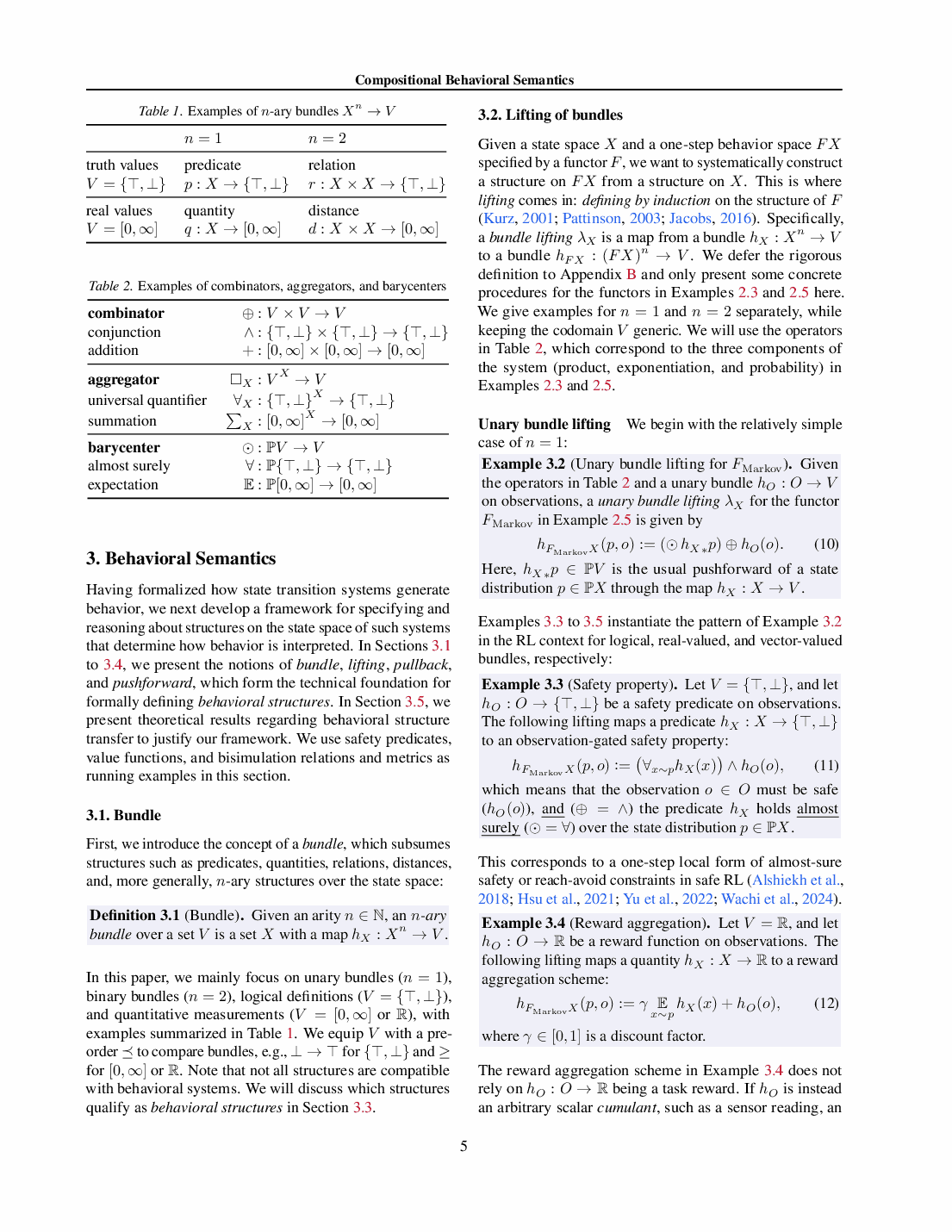
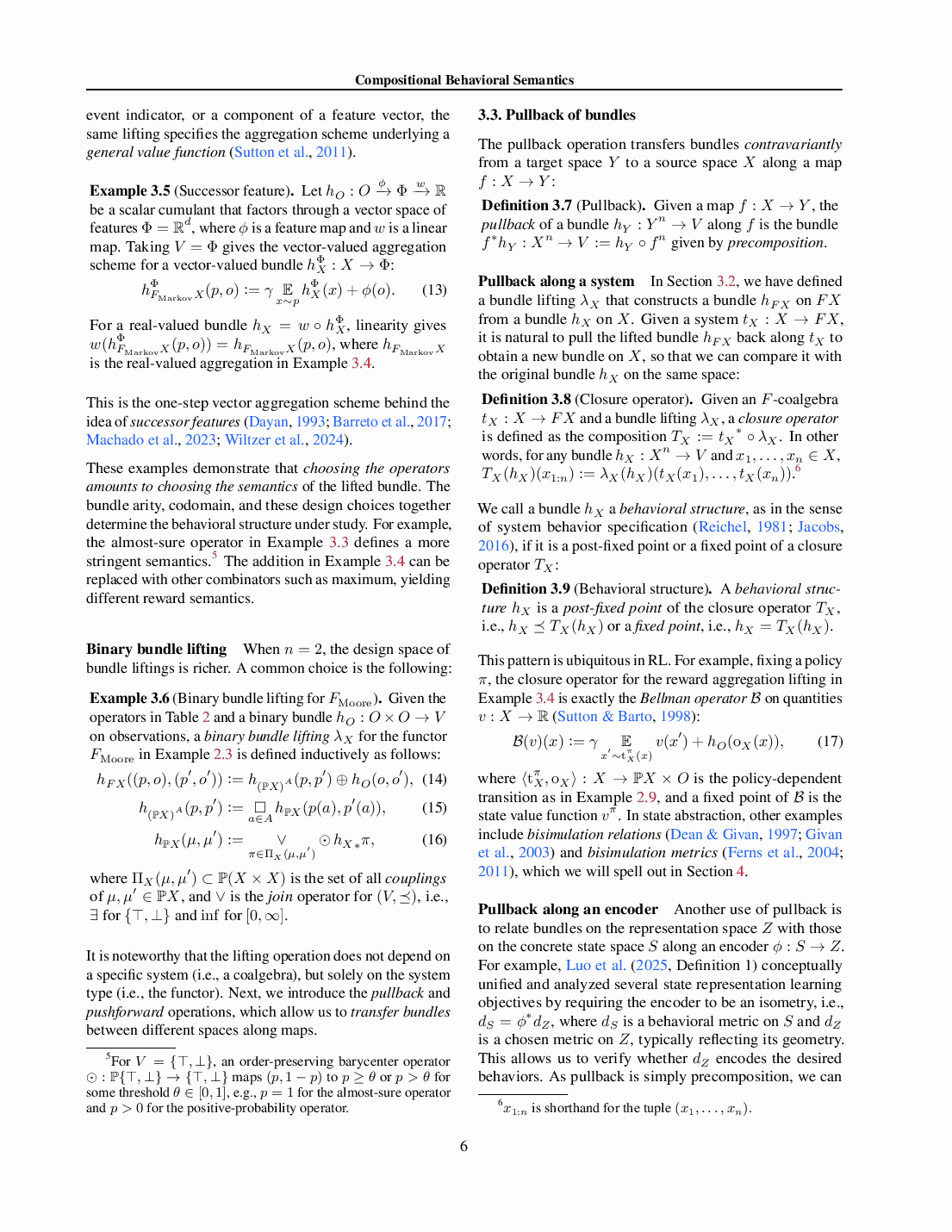
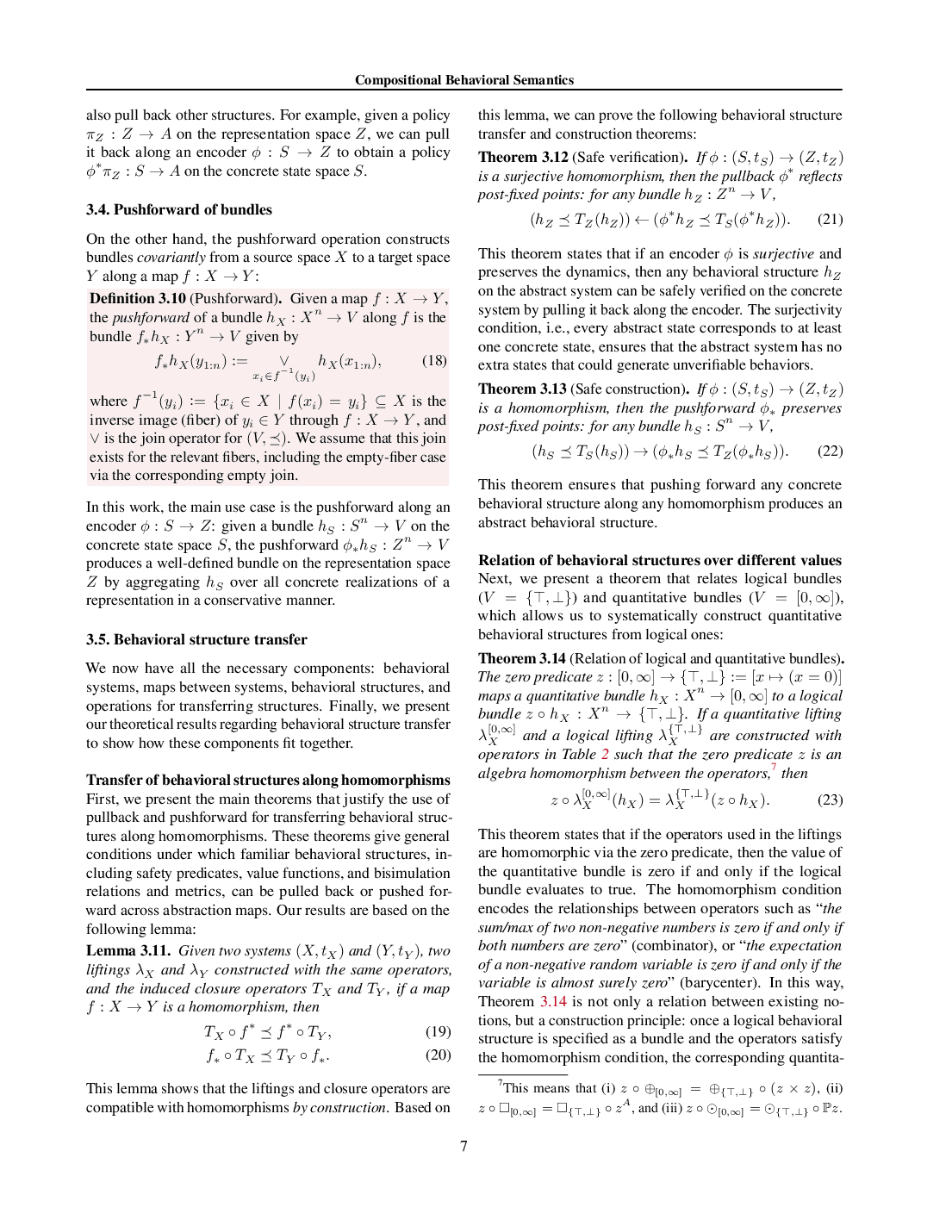
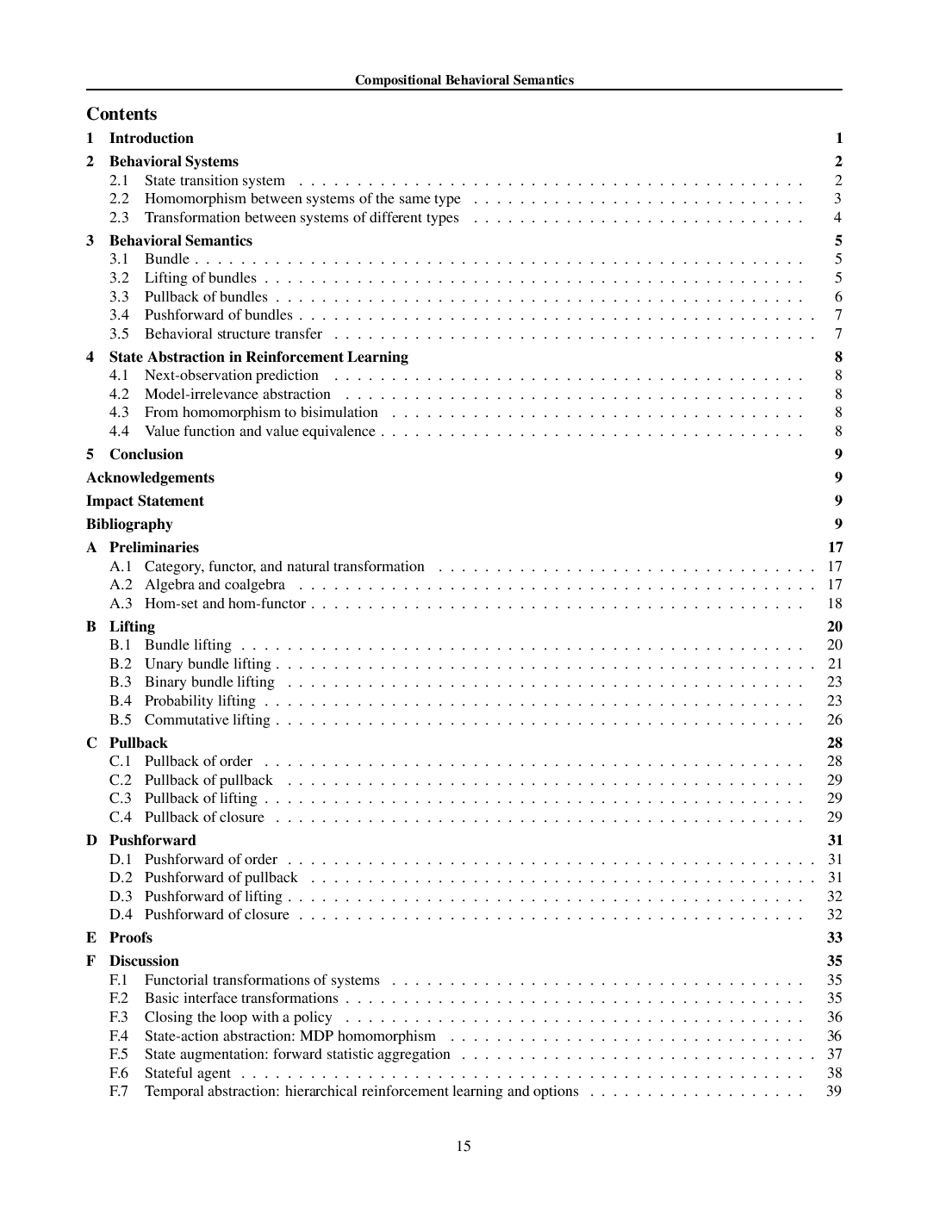
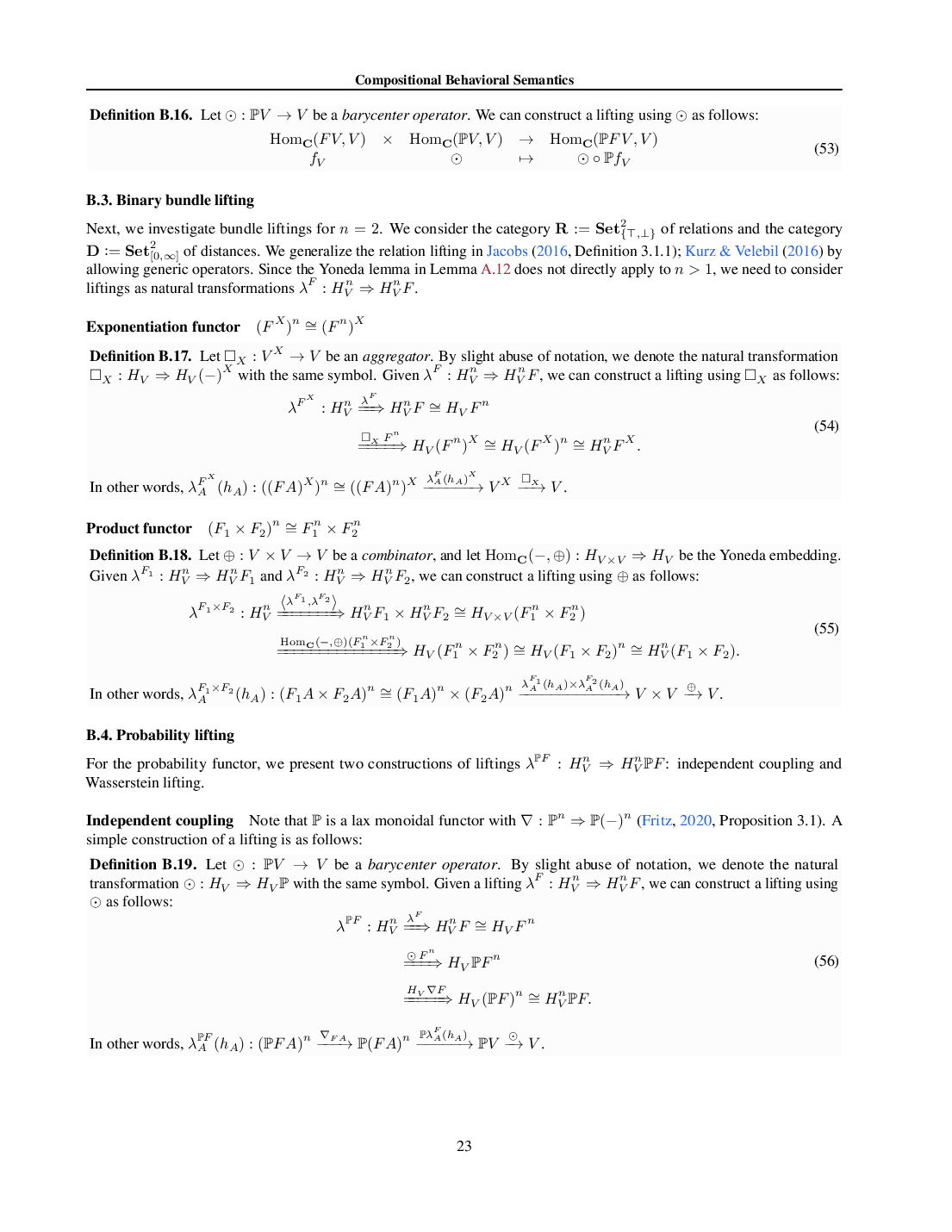
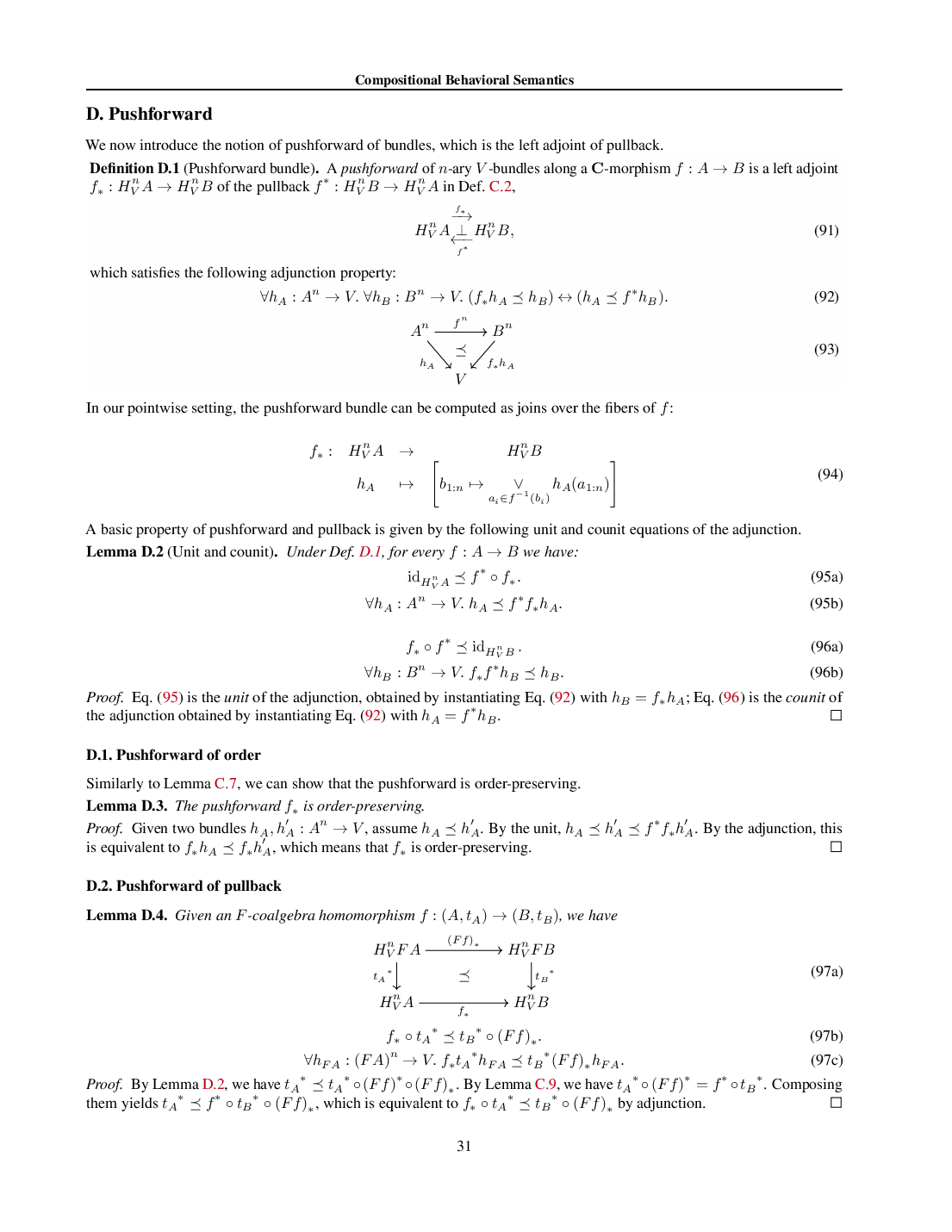
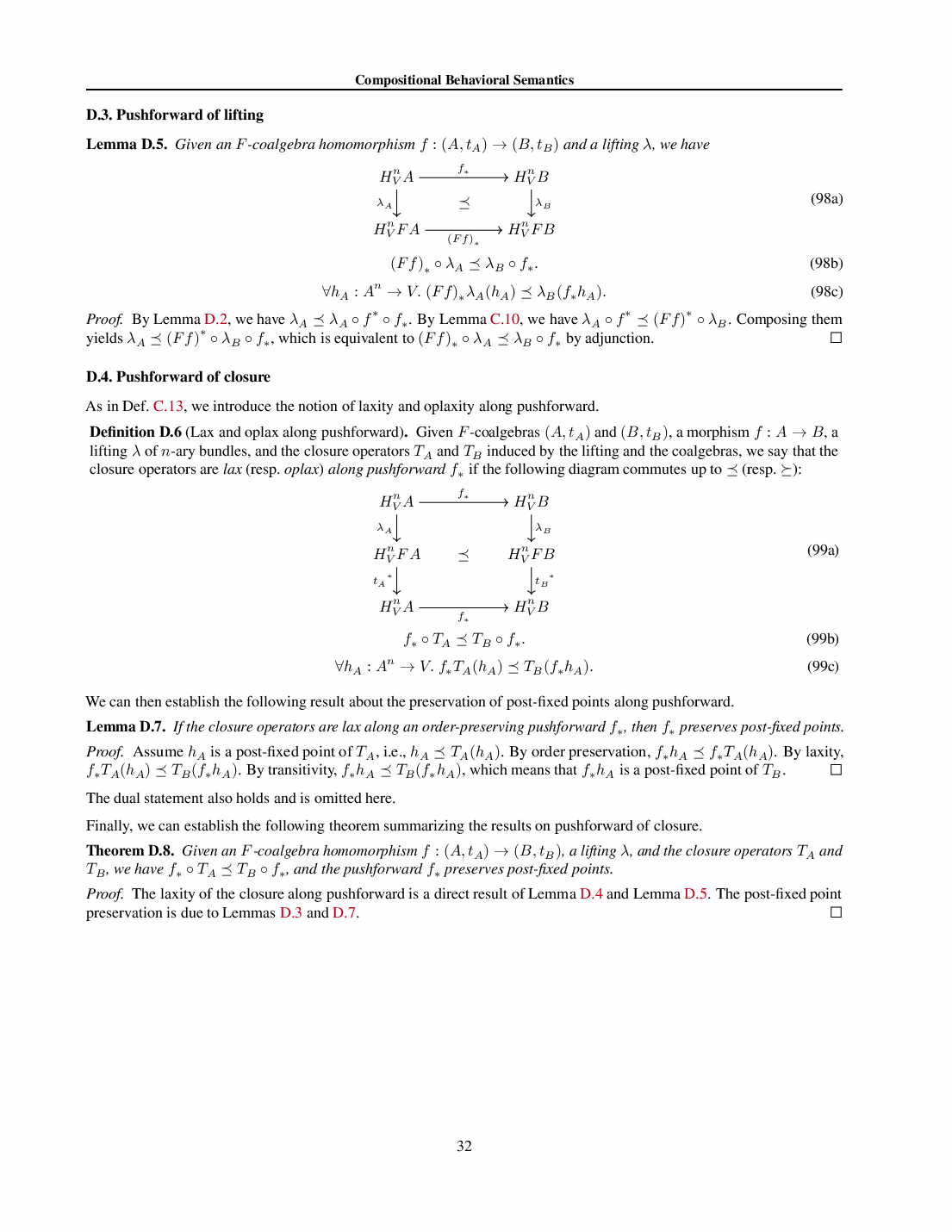
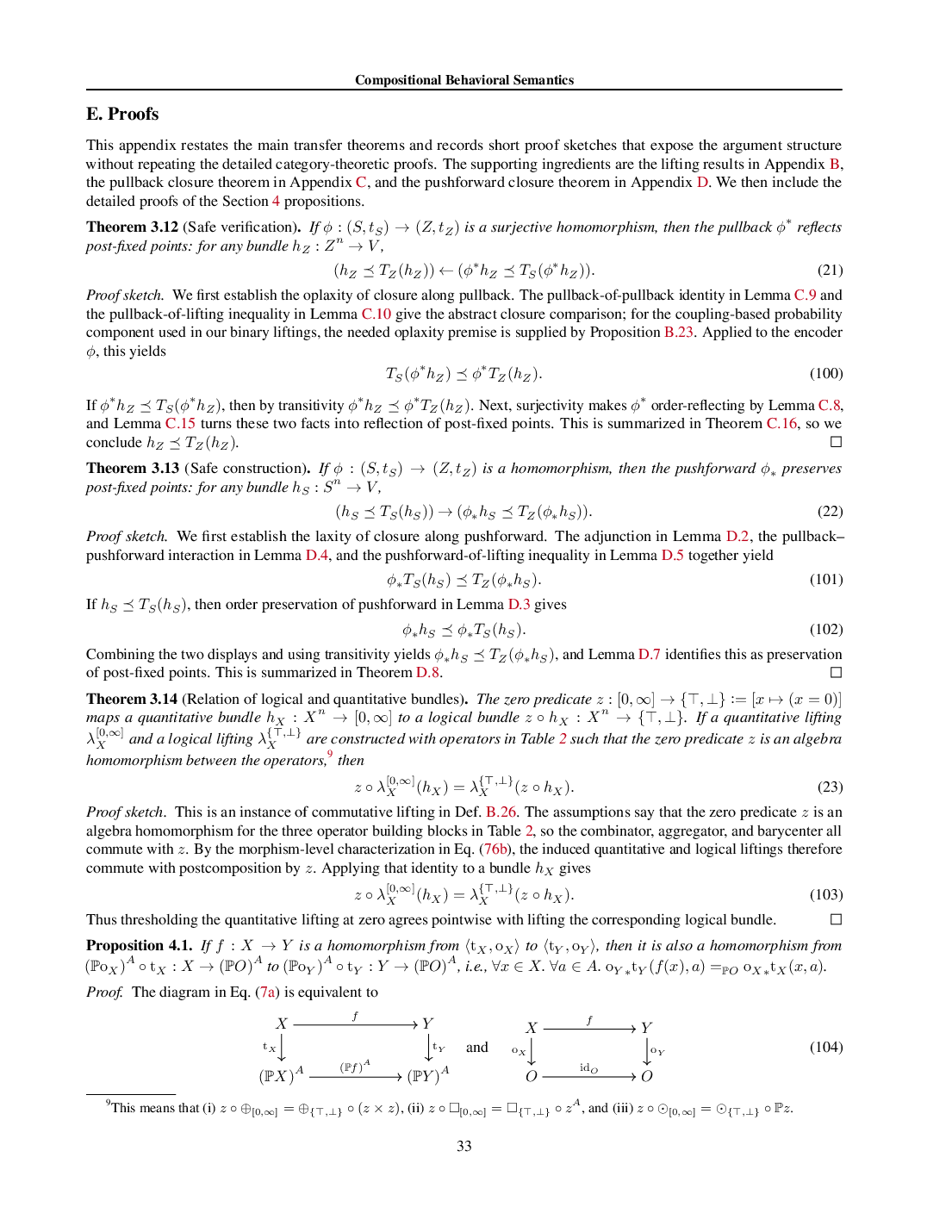
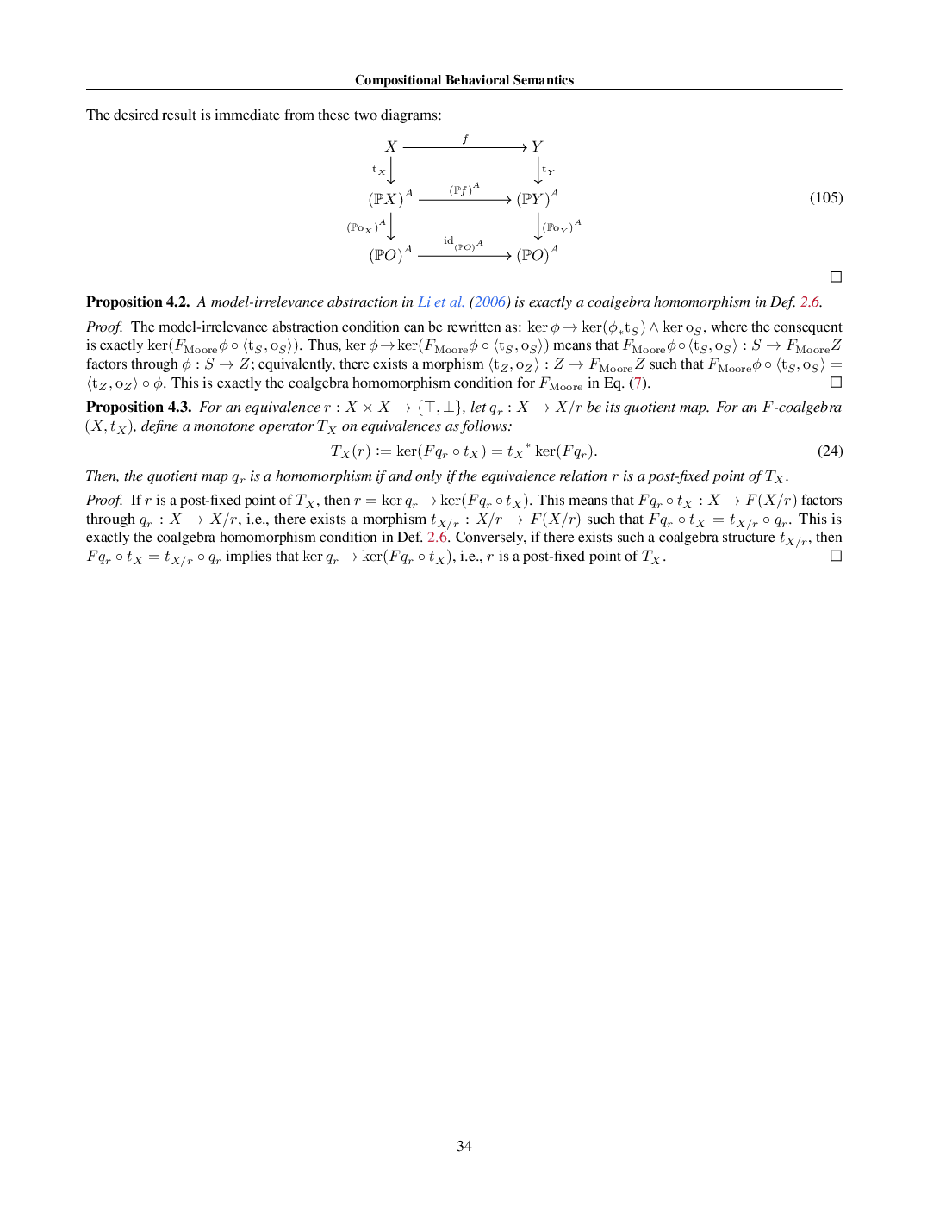
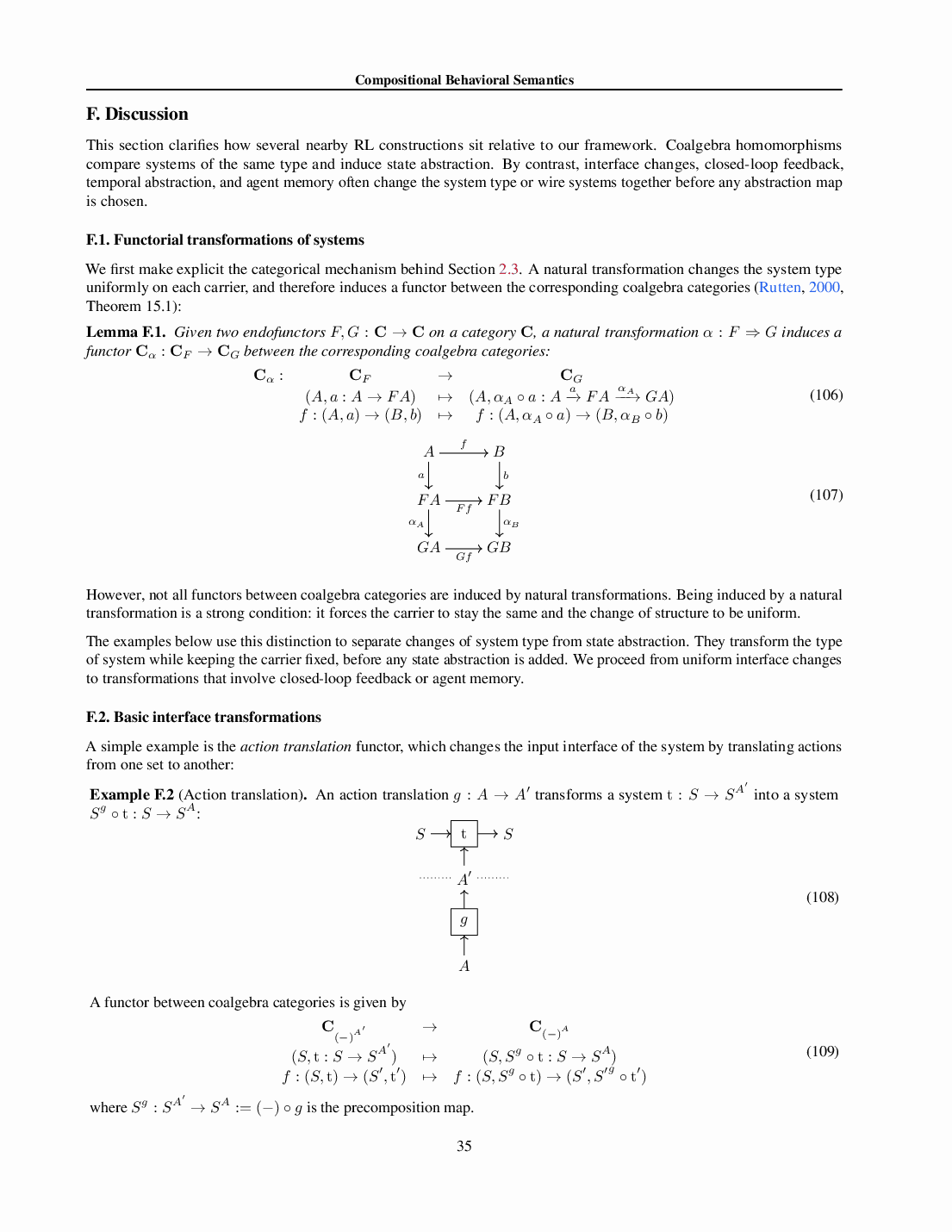
International Conference on Machine Learning (ICML) · 2026Read the paper